
News
News
-
Hospital Bed Distributor Business Plan 2026: Complete Guide
November-18 2026
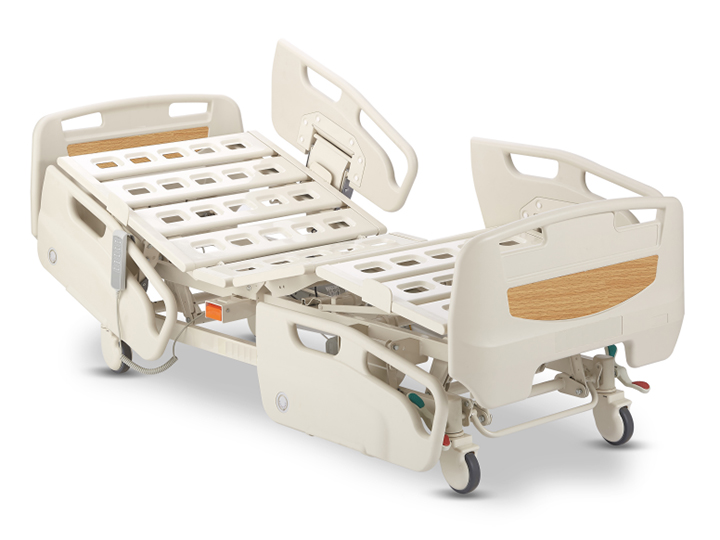
Business model overview Distributor margin: 25-35% (catalog), 35-45% (OEM). Why distribute hospital beds? High-value products, repeat customers, stable demand, good supplier relationships. Capital requirements Component Amount Initial inventory (200 units) $400,000-500,000 Working capital (3-4 month cash cycle) $150,000-200,000 Showroom/warehouse (annual) $20,000-50,000 Marketing & sales (year 1) $30,000-50,000 Certifications & legal (year 1) $10,000-20,000 Working buffer $50,000-100,000 Total startup capital $670,000-940,000 Annual cash flow (year 1) Quarter Revenue Net Q1 $100,000-150,000 +$10,000-20,000 Q2 $200,000-300,000 +$30,000-40,000 Q3 $300,000-400,000 +$50,000-60,000 Q4 $400,000-500,000 +$70,000-80,000 Year 1 $1,000,000-1,350,000 +$16...
-
Hospital Waiting Room Chair: Selection Guide For Healthcare Facility Managers
November-16 2026
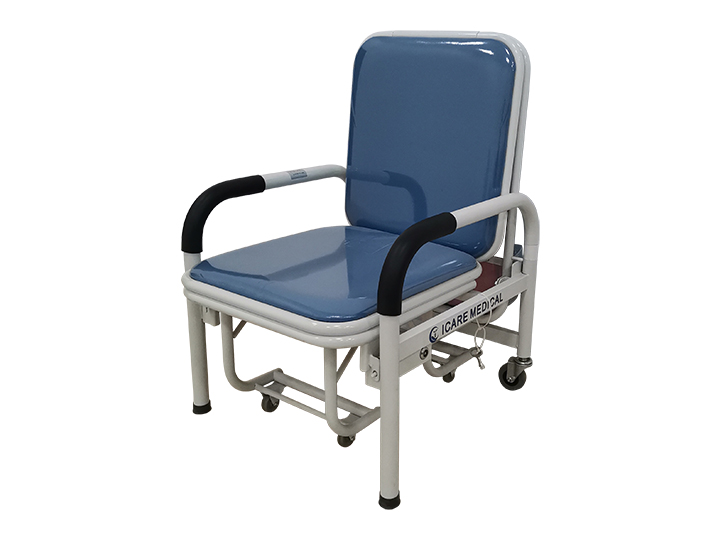
Choosing the right waiting room chair directly affects patient satisfaction scores, clinic throughput, and long-term maintenance costs. Whether outfitting a busy emergency department lobby or a private specialist clinic, facility managers face the same core challenge: balancing comfort, durability, and budget in a high-traffic environment. At ICARE, we've supplied waiting room seating to hospitals across 40+ countries. The feedback from administrators consistently points to three priorities — how long the chair lasts, how easy it is to clean, and whether patients can sit comfortably during a 30-to-90-minute wait. This guide walks through every factor that matters when specifying hospital waiting chairs at scale. Types of Hospital Waiting Room Chairs Not every waiting area has the same demands. A pediatric outpatient lounge needs a completely different seating strategy from an oncology infusion waiting room. Understanding the options helps decision-makers match furniture to actual usage patterns. Single-Seat Chairs Individual seats with armrests on both sides. Ideal for premium clinics and VIP wards where personal space matters. Single-seat units are easier to rearrange and replace, but they consume more floor area per patient. B...
-
Drug Delivery Carts In Hospitals: Types, Design, And Selection Criteria
November-13 2026
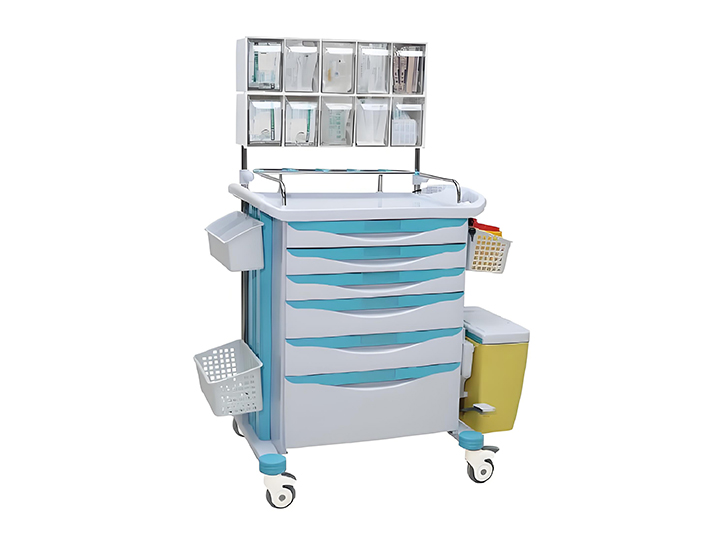
Why Drug Delivery Carts Matter for Hospital Operations A drug delivery cart — also called a medical cart, medication cart, or pharmaceutical delivery trolley — is the primary transport unit for moving medications from the pharmacy or sterile preparation area to patient care floors and individual wards. Every hospital shift, hundreds of drug carts move through corridors, elevators, and nursing stations. Their design affects medication security, delivery speed, staff workload, and ultimately, patient safety. For hospital administrators and logistics planners, choosing the right drug delivery cart means evaluating load capacity, security features, maneuverability, and compatibility with existing workflow systems. This guide covers the specifications and options that distinguish a well-designed medical cart from a basic transport trolley. ICARE manufactures drug delivery carts and medical transport systems for hospitals in over 40 countries, with designs optimized for pharmaceutical logistics, infection control, and daily durability. Types of Drug Delivery Carts Closed (Enclosed) Carts Closed carts feature fully enclosed compartments with lockable doors — typically hinged or sliding panels made from ABS or stainless steel. T...
-
Hospital Bed Distributor's 2026 Stocking Plan: 5 Numbers That Define Success
November-11 2026
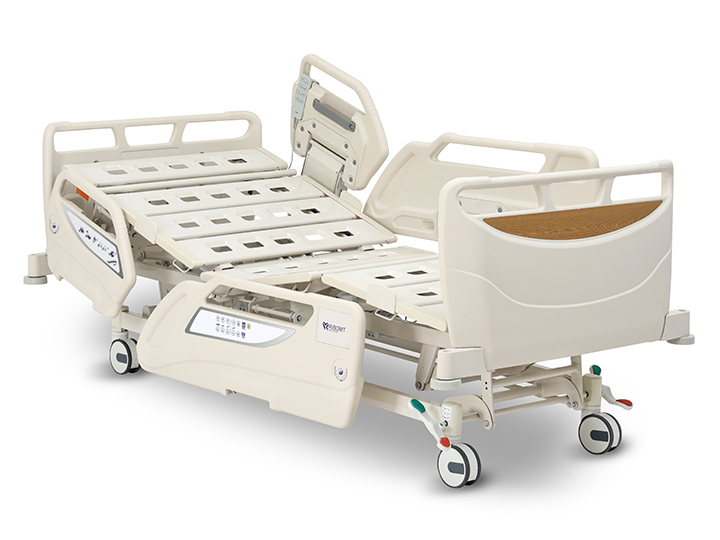
The 5 numbers Average order size: 20-40 units per shipment (container-load sweet spot) Mix preference: 60% electric 5-fn, 25% manual, 15% specialized Lead time tolerance: <30 days catalog (ICARE standard 25-30 days) Margin expectation: 25-35% catalog, 35-45% OEM Repeat cycle: 2-4 orders/year per active account Recommended inventory (200-bed distributor) Bed Type % Qty (200 total) Investment CD-804 5-function 50% 100 $150,000-250,000 CD-803 manual 20% 40 $10,000-18,000 CD-805 7-function 15% 30 $75,000-105,000 CA-800 stretcher 10% 20 $20,000-30,000 CC-806 emergency 5% 10 $20,000-28,000 Total 100% 200 $275,000-431,000 Container math 24+ units per 40HQ container saves 15-20% on unit cost. 100 beds FOB $200K, container-load $170K = $30K saved. Common mistakes Over-stocking slow movers: 50% capital ti...
-
Medicine Preparation Tables: Design, Cleanroom Standards, And Hospital Procurement
November-09 2026
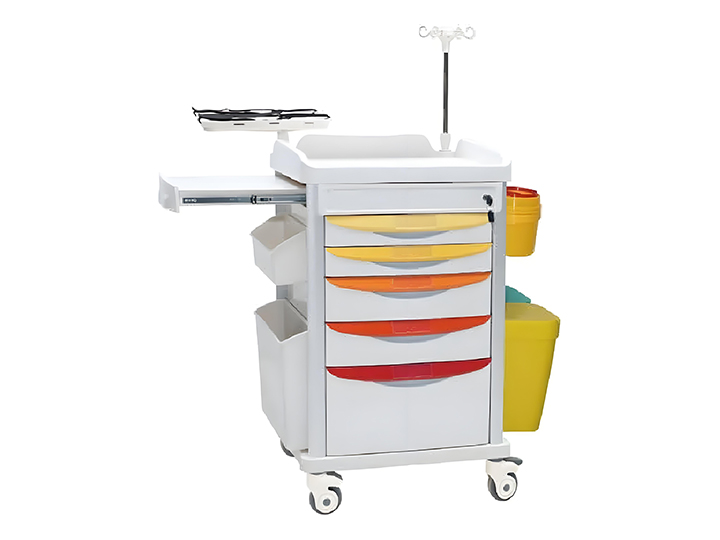
The Role of Medicine Preparation Tables in Patient Safety A medicine preparation table — sometimes called a drug preparation station or pharmacy compounding table — is a dedicated work surface used by nurses and pharmacists for IV admixture, oral medication reconstitution, and unit-dose preparation. These tables are positioned in medication rooms, pharmacy cleanrooms, and satellite prep areas throughout the hospital. The design of a medicine preparation table directly affects medication error rates, aseptic technique compliance, and the efficiency of the drug preparation workflow. For facility managers and pharmacy directors, specifying the right preparation table means balancing cleanroom classification requirements, ergonomic demands, and budget constraints. ICARE supplies medicine preparation tables and associated cleanroom furniture to hospitals globally, with designs that meet ISO 14644 cleanroom standards and ISO 13485 manufacturing requirements. Primary Functions: IV Admixture vs. Oral Preparation Intravenous (IV) Drug Preparation IV admixture is the most contamination-sensitive medication preparation task. It requires a laminar airflow environment — typically a biological safety cabinet (BSC) or a compounding ase...
-
Treatment Tables In Healthcare: Types, Standards, And Procurement Guide
November-06 2026
What Is a Treatment Table and Why Does It Matter? A treatment table — also called a procedure table — is a purpose-built surface used in clinics, emergency departments, and pre-operative zones for wound dressing, minor procedures, catheterization, and other hands-on patient care. Unlike a standard examination table, a treatment table prioritizes durability, cleanability, and accessory integration. For hospital procurement teams, selecting the right treatment table directly affects workflow efficiency, infection control compliance, and staff ergonomics. ICARE has supplied treatment tables to hospitals across more than 40 countries. This guide breaks down the specifications, material options, and configuration choices that matter most when sourcing procedure tables for clinical environments. Types of Treatment Tables Examination Tables Used primarily in outpatient clinics and general practice rooms. Examination tables are typically fixed-height or semi-adjustable, with a flat padded surface designed for patient assessment rather than intervention. They carry lighter accessory loads and prioritize patient comfort. Procedure Tables Procedure tables are the workhorse of emergency departments, minor surgery suites, and derm...
-
Nursing Home Vs Hospital Bed: 7 Critical Differences Every Aged Care Buyer Must Know
November-04 2026
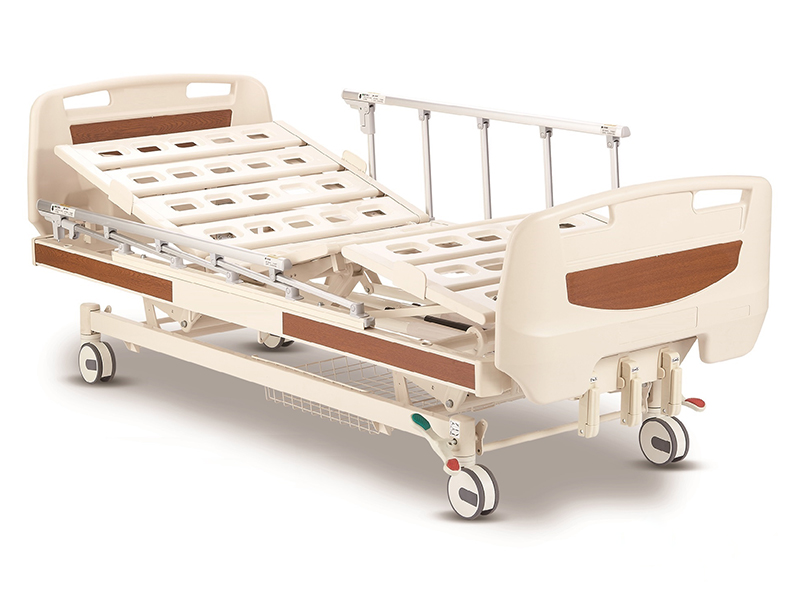
Section 1: The core engineering difference A hospital bed is a short-term acute care platform optimized for rapid patient positioning, emergency response, and clinical intervention. A nursing home bed is a long-term care platform optimized for resident comfort, dignity, and family-friendly aesthetics. Section 2: 7 critical spec differences Height range: Hospital 450-750mm vs nursing home 300-650mm (lower for fall safety) Motor noise: Hospital 50-65dB vs nursing home <30dB (sleep quality) Side rail design: Hospital full-length vs nursing home half-length (dignity) Remote control: Hospital 10+ buttons vs nursing home 4-button max Load capacity: Hospital 250kg vs nursing home 200-350kg (bariatric needs) Headboard: Hospital PP plastic vs nursing home wood-look (homely) Price: Hospital $1,500-3,500 vs nursing home $1,000-2,200 Section 3: Bed mix for 200-bed nursing home Category Beds % Spec Price Standard care 120 60% 4-function electric, low height $1,200 Memory care 30 15% Extra-low height, soft padding $1,500 ...
-
Emergency Bed And Rescue Bed: Design, Features, And Clinical Applications
November-02 2026
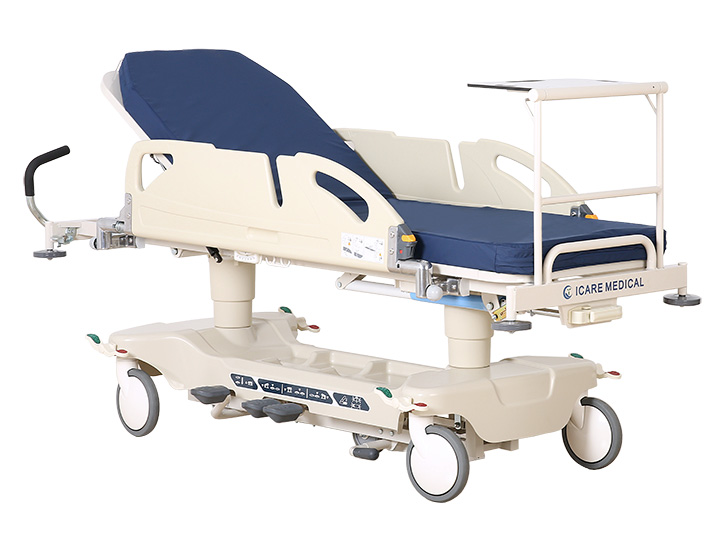
When a patient arrives in the emergency department in critical condition, the bed is not merely furniture — it is an active clinical tool. Emergency beds and rescue beds are engineered for speed, accessibility, and life-support integration. They must allow clinicians to access the patient from multiple angles simultaneously, transition rapidly between positions, and interface seamlessly with emergency medical equipment. The difference between a standard ward bed and a purpose-built rescue bed becomes most apparent in the first minutes of a critical presentation, when seconds determine patient outcomes. What Defines an Emergency Bed An emergency bed — also called a rescue bed, crash bed, or emergency room bed — differs from a standard hospital bed in several critical ways: • Rapid flat positioning: The entire bed surface can be rendered horizontal in under 3 seconds, without sequentially lowering each section. This is essential for initiating CPR or performing emergency intubation. • Unrestricted patient access: The bed design minimizes structural obstructions around the patient. Side rails collapse fully, foot sections drop away, and the bed height can be set to ultra-low for floor-level resuscitation. • Heavy-duty castors w...
-
Medical Bed Standards: Configuration, Specifications, And Ward Selection Guide
October-30 2026
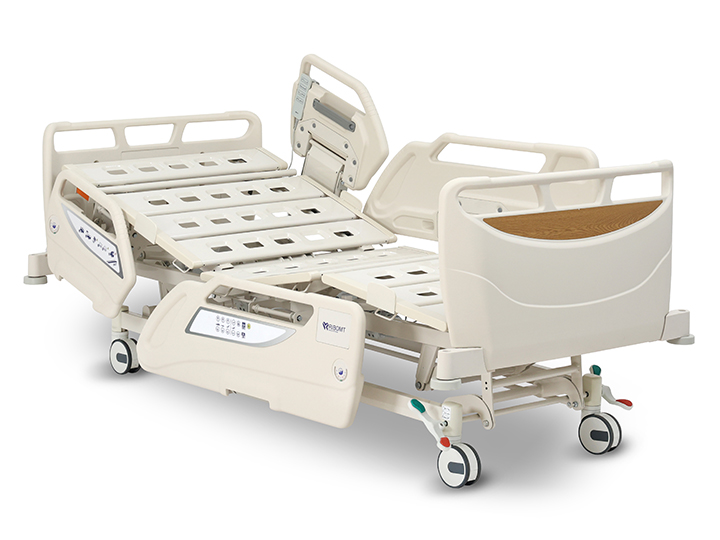
A medical bed — also called a patient bed or clinical bed — differs fundamentally from a domestic bed in its engineering requirements, regulatory obligations, and clinical functionality. It must support patient positioning across multiple anatomical planes, withstand rigorous cleaning protocols, integrate with life-support equipment, and operate reliably under continuous use. Hospitals that specify the wrong bed type for a given ward face clinical workflow disruptions, increased adverse event rates, and costly premature equipment replacement. This guide addresses the technical distinctions between medical beds and standard beds, departmental configuration standards, structural specifications, and the specialized requirements of critical care environments. Medical Beds vs Standard Beds: What Sets Them Apart A standard bed — whether domestic or light-duty hospitality grade — serves a single purpose: supporting a resting person. Medical beds serve dozens of purposes simultaneously. They must: • Adjust the patient's body position to support respiratory function, circulation, digestion, and wound healing • Provide attachment points for IV stands, traction equipment, patient lifts, and monitoring devices • Accep...
-
Mid-Size Hospital Procurement: The Complete 2026 Guide For 50-200 Bed Facilities
October-28 2026
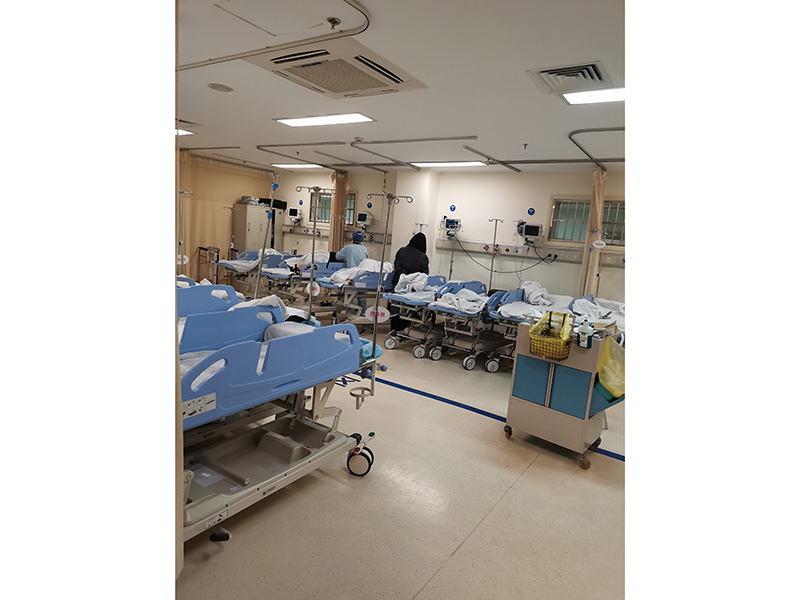
Section 1: Recommended bed mix for 150-bed hospital Ward Beds % Model Specs ICU 15 10% CD-805 7-function 250kg, lateral tilt, CPR Step-down ICU 20 13% CD-804 5-function 250kg, central brake General ward 95 63% CD-804 5-function 250kg, PP side rails Pediatric 10 7% CD-803 manual 200kg, wood headboard Emergency 10 7% CC-806 hydraulic 250-300kg, CPR, X-ray Section 2: Total budget breakdown (150 beds) Item Cost 15 × CD-805 ICU $42,000 20 × CD-804 Step-down $39,000 95 × CD-804 General $185,250 10 × CD-803 Pediatric $3,500 10 × CC-806 Emergency $24,000 Spare parts (15%) $44,063 Training + installation $3,000 Total ...
-
Hospital lift bed selection and usage scenarios
-
Process analysis and practical skills of ward nursing from admission to rehabilitation
-
Functional characteristics and selection of medical diagnosis and treatment examination bed
-
Rehabilitation bed: the key to improving the quality of care for long-term bedridden patients
-
Smart elderly care technology empowers and opens up a new era of elderly care services
-
Function analysis and selection precautions of electric smart bed
-
Guidelines for selecting rehabilitation equipment and analysis of common types
-
Function analysis and selection skills of companion bed
-
New intelligent and community-based development of home-based elderly care