
News
News
-
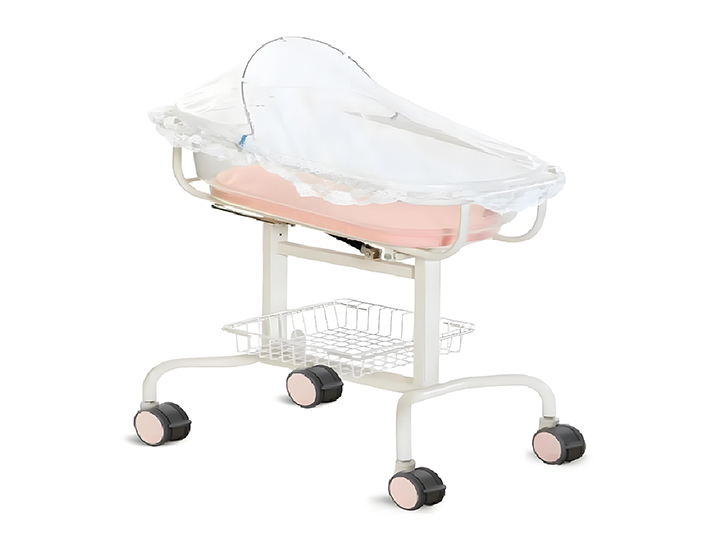
Ultimate Guide To Crib Safety: 10 Key Points For Your Baby's Safe Sleep
October-02 2026
A crib is one of the most important pieces of furniture for a newborn, and its safety directly impacts the child's health and life. Many parents may overlook crucial details when selecting and using a crib. This article systematically breaks down the ten core points of crib safety to help you create a comfortable and secure sleeping environment for your baby. I. Core Safety Selection Points Mattress Firmness and Fit Are Critical When choosing a crib mattress, ensure it is sufficiently firm. An overly soft mattress may increase the risk of the baby's face sinking into it, leading to breathing difficulties. Additionally, the mattress dimensions must fit the crib's inner dimensions precisely; any gap wider than two fingers poses a safety hazard, potentially trapping the baby's hands, feet, or even body. Pay Attention to Bed Structure and Rail Design A safe crib should prioritize simplicity in construction, avoiding complex decorative elements that could pose entanglement or collision risks. The spacing between bed rails must meet safety standards, typically less than 6 centimeters, to prevent the baby's head from slipping through or getting stuck. Corners should be rounded without sharp or protruding decorations. Rail Height and Adjusta...
-
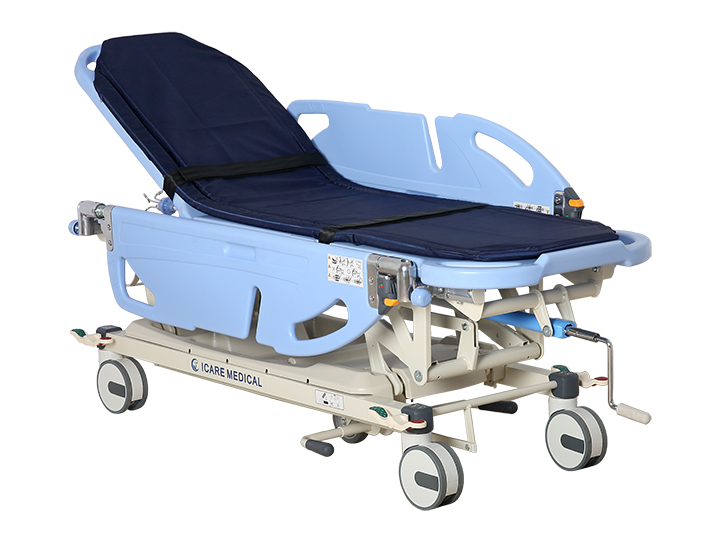
7 Types Of Transfer Stretchers: How To Choose The Right Patient Stretcher
September-30 2026
Tasfestetches(alsocalledpatietstetchesohospitaltaspotbeds)aemobilebedsdesigedfosafepatiettaspotbetweehospitaldepatmets.The7maitypesae:(1)basichydaulicstetchesfowad-to-wadtaspot,(2)advacedhydaulicstetcheswithfullpositioig,(3)ambulacestetcheswithvehiclemoutig,(4)ORtasfestetchesfosugicalwokflows,(5)imagigstetcheswithX-aytaspaetboads,(6)baiaticstetchesfo300+kgpatiets,ad(7)foldablestetchesfospace-limitedfacilities.PicesagefomUSD1,200toUSD4,000.ICAREmaufactuesall7typesudeISO13485itheCAseies....
-

What Is An Emergency Bed? Unveiling The Core Functions And Applications Of Key Medical Equipment In ICU, Emergency Departments, And Ambulances
September-28 2026
As a core device in the modern medical emergency system, the emergency bed is an indispensable professional bed in hospital emergency rooms, intensive care units (ICUs), and mobile medical units such as ambulances. It is not an ordinary hospital bed but a comprehensive medical platform specifically designed for critically ill patients who require close monitoring and rapid treatment. Understanding the characteristics and uses of emergency beds is crucial for medical institutions in resource allocation and for the public to understand the emergency process. The core value of an emergency bed lies in its high functional integration and adaptability. Firstly, it has excellent multifunctional adjustment capabilities. The height of the bed surface and the tilt angles of the head and foot sections can be precisely adjusted. This not only meets the needs of different medical procedures (such as cardiopulmonary resuscitation and intubation) but also provides a more comfortable position for patients, promoting treatment and recovery. In addition, designs such as the elevating bedside table and the flexible retractable bed rails balance the convenience of medical operations and the safety protection of patients. Secondly, the emergency bed serves as the center for vital sign monitoring. I...
-

Transfer Cart: Key Equipment For Enhancing Logistics Efficiency And Selection Guide
September-25 2026
Transfer carts are indispensable material handling tools in logistics, warehousing, and production workshops. With features such as simple structure, flexible operation, easy maintenance, good load-bearing performance, and low pollution, they are widely used for short-distance ground transportation of various goods. Enterprises can customize them according to actual scenario needs, significantly improving operational efficiency, reducing labor costs, and optimizing the working environment. Core Types and Application Scenarios There are various types of transfer carts, with different designs targeting specific needs. The following is a brief introduction to the main types: 1. Electric Transfer Cart Powered by electricity, it features cleanliness, environmental friendliness, and low noise. It is suitable for logistics centers, warehouses, and production workshops with high environmental requirements for efficient and continuous short-distance goods transfer. 2. Manual Transfer Cart Operated manually, it has a simple structure and low purchase and maintenance costs. It is an economical and practical choice for short-distance transportation of small goods or light loads. 3. Rail Transfer Cart Runs along preset tracks with precise paths, o...
-

ICU Bed Vs Hospital Bed: 7 Critical Differences For Critical Care
September-23 2026
AICUbed(itesivecaeuitbed)isaspecialized7-fuctioelecticbeddesigedfociticalcaepatietsequiigcotiuousmoitoig,fequetepositioig,ademegecyesuscitatioaccess.Compaedtostadadhospitalbeds,ICUbedsaddlatealtuig(educespessueulcesby23%),CPRquick-elease(flattesbedi3secods),adTedelebugpositioigfoshockmaagemet.ICUbedpicesagefomUSD3,000-5,000vsUSD800-2,500fostadadelectichospitalbeds.ICARECD-805isaflagship7-fuctioICUbedwithEN60601-1motos,300kgcapacity,adbatteybackup,maufactuedudeISO13485....
-

Home Care Beds: The Ideal Choice For Enhancing Quality And Comfort Of In-Home Care
September-21 2026
In modern families, when faced with relatives who have limited mobility or members needing long-term bed rest, providing professional and comfortable care becomes a significant challenge. As a medical auxiliary device specifically designed for home environments, home care beds are gradually becoming the ideal choice for many families. They aim to simplify daily care procedures while maximizing patient comfort and safety. Why Choose a Home Care Bed? The core value of home care beds lies in their ability to meet the special needs of patients with limited mobility or those requiring long-term bed rest. Compared to ordinary beds, they are not just simple sleeping tools but comprehensive solutions integrating care convenience, patient comfort, and safety. For families in need of long-term care, a suitable home care bed can significantly improve the care experience. Core Functions and Advantages of Home Care Beds 1.Convenient Care Operations: Home care beds are usually equipped with various practical functions to assist caregivers in completing daily care more easily. For example, the electric lifting function can conveniently adjust the height of the bed, making it more labor-saving for patients to get on and off the bed or for caregivers to perform tasks such as wi...
-
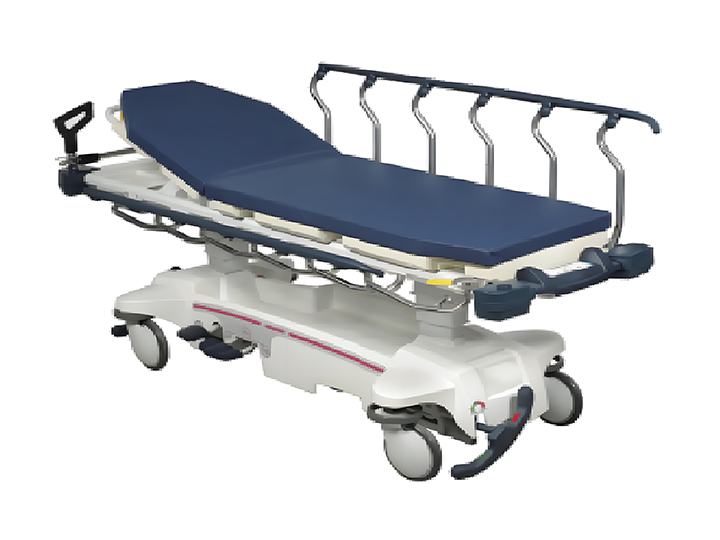
The Ultimate Guide To Surgical Operating Tables: Core Parameter Analysis And Professional Purchasing Strategy
September-18 2026
The surgical operating table is a core piece of equipment in modern operating rooms, and its performance directly impacts the smoothness of surgeries, the operational efficiency of medical staff, and patient safety. Selecting an appropriate operating table requires an in-depth understanding of its key technical parameters and design concepts. This article will systematically analyze the core considerations for surgical operating tables and provide professional purchasing guidance. Key Performance Analysis of Surgical Operating Tables An excellent surgical operating table derives its value from the integration of detailed design and overall performance. Beyond basic height and tilt adjustments, the following core parameters and functions are crucial. First, integrated sterile barrier and instrument management design is key to improving surgical efficiency. Advanced design concepts integrate sterile protective covers with convenient instrument trays. This not only effectively prevents contamination of the surgical area and ensures a sterile environment but also allows medical staff to access required instruments within arm's reach, significantly optimizing surgical workflows and reducing workload. Second, excellent flexibility and load-bearing capacity form t...
-
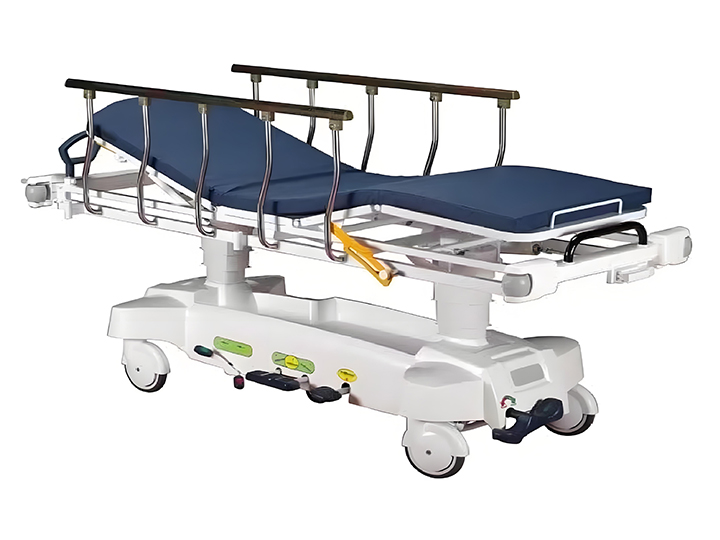
What Is An Emergency Bed? Definition, Types, And How To Choose
September-16 2026
Aemegecybed(alsocalledaescuebedoemegecystetche)isamobilepatiettaspotadteatmetbeddesigedfoemegecyooms,ICUs,ambulaces,adopeatigooms.Ulikestadadhospitalbeds,emegecybedsfeatuehydaulicoelecticheightadjustmet,cetalbakig,X-aytaspaetboadsfoimagigcompatibility,ad200-300kgloadcapacity.Theysevefoupimayfuctios:patiettaspotwithihospitals,emegecyesuscitatio,ICUciticalcae,adpe-hospitalambulacetaspot.ICAREmaufactues8emegecybedmodelsudeISO13485,agigfomthebasicCC-800(USD1,800)totheflagshipCC-806(USD4,500)withcabofibeX-ayboadadCPRquick-elease....
-
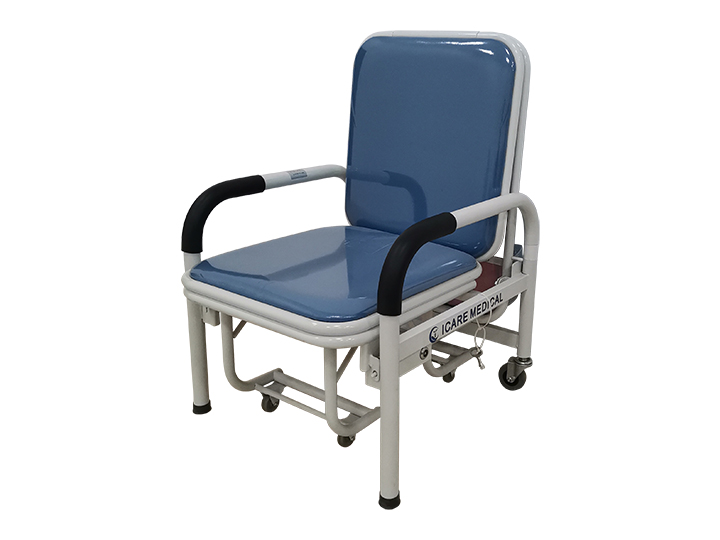
Comprehensive Analysis Of Infusion Chairs: Selection Guide And Core Considerations For Hospital And Home Scenarios
September-14 2026
An infusion chair is a medical device specifically designed for infusion therapy, aiming to provide patients with a safe and comfortable medical environment. It typically features adjustable seat height, foldable footrests, and an ergonomic backrest to flexibly adapt to different patients' physical conditions and treatment needs. This article will delve into the distinct characteristics, uses, and selection strategies of infusion chairs in the two core scenarios of hospitals and homes, helping you make informed decisions. I. Infusion Chairs in Hospital Scenarios: High-Intensity Use and Safety Management In hospital settings, infusion chairs must meet the rigorous requirements of high-frequency, continuous use by multiple people daily. Durability and Ease of Cleaning: To cope with high-intensity use and strict infection control procedures, hospital infusion chairs are mostly made of wear-resistant and impermeable materials, ensuring they can withstand repeated cleaning and disinfection. Adjustable backrests and armrests not only enhance patient comfort but also facilitate medical staff's operations and quick tidying. Safety Design and Space Planning: Patient safety is the primary consideration. Hospital infusion chairs are often equipped with fixed infusion s...
-
Guide To Selecting Medical Waiting Room Chairs: Analysis Of 7 Key Factors
September-11 2026
In hospital waiting areas, clinic lobbies, or other medical facilities, waiting chairs are not only basic furniture but also a crucial component that affects patient experience and space functionality. A well-designed waiting chair can provide patients and their families with necessary comfort and support during long waits, while meeting the strict requirements of medical environments for hygiene, safety, and durability. This article systematically analyzes the seven core factors to consider when choosing medical waiting chairs, helping medical institutions make informed decisions. 1. Comfort: Key to Relieving Waiting Fatigue The comfort of waiting chairs directly relates to patients' waiting experience. Good chair design should include ergonomic back support that effectively supports the waist and back; the cushion hardness should be moderate, avoiding being too soft (which causes difficulty in standing up) or too hard (which increases local pressure). Appropriate seat depth and height allow users of different heights to maintain a stable sitting posture, reducing discomfort from prolonged sitting. 2. Durability: Foundation for High-Frequency Use Medical waiting areas have high foot traffic and extremely high usage frequency, so chairs must have excellent durab...
-
Hospital lift bed selection and usage scenarios
-
Process analysis and practical skills of ward nursing from admission to rehabilitation
-
Functional characteristics and selection of medical diagnosis and treatment examination bed
-
Rehabilitation bed: the key to improving the quality of care for long-term bedridden patients
-
Smart elderly care technology empowers and opens up a new era of elderly care services
-
Function analysis and selection precautions of electric smart bed
-
Guidelines for selecting rehabilitation equipment and analysis of common types
-
Function analysis and selection skills of companion bed
-
New intelligent and community-based development of home-based elderly care