
News
News
-
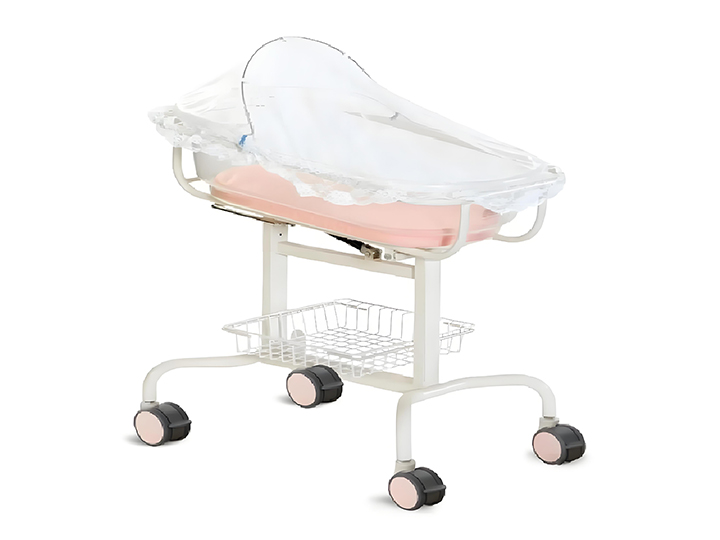
Complete guide for novice parents to choose a baby crib
May-06 2026
For novice parents, choosing a safe, practical, and environmentally friendly crib for their baby is a top priority. How to avoid pitfalls when facing a wide variety of products on the market? This article combines purchasing trends and authoritative guidelines to outline the core points of scientifically selecting a baby crib from dimensions such as material, safety, and functional design. Core criteria for choosing a baby crib 1. Safety is the primary consideration The structural design of the baby crib must comply with GJ standards to avoid the risk of sharp edges or gaps jamming the baby's hands and feet. The spacing between guardrails should be controlled between 4.56.5 centimeters to prevent the head from getting stuck and ensure breathability. The bed should be equipped with a stable locking device to prevent accidental folding or tipping. 2. Material environmental friendliness and durability Prioritize natural solid wood materials, such as imported pine wood from New Zealand and beech wood from Germany. This type of wood has moderate density, strong load-bearing capacity, and is not easy to crack. It is recommended to choose environmentally friendly water-based paint or pure plant-based wood wax oil for surface treatment to avoid harmful subs...
-

New intelligent and community-based development of home-based elderly care
May-03 2026
With the acceleration of China's aging process, home-based elderly care, as a fundamental elderly care model, is becoming a focus of social attention. This family centered and community-based elderly care service model not only preserves the familiar living environment of the elderly, but also meets their needs for life care, health management, and other aspects through diversified services, gradually becoming a mainstream elderly care choice that is in line with national conditions. The core advantages of home-based elderly care 1. Strong environmental adaptability: Elderly people do not need to leave their familiar home environment, reducing psychological adaptation pressure, and the participation of family members can also enhance family bonds. 2. Flexible and diverse services: From daily care to medical care, service content can be customized according to individual needs. 3. Significant cost-effectiveness: Compared to institutional elderly care, home-based elderly care can effectively reduce public resource investment. Current challenges Despite the rapid development of home-based elderly care, there are still urgent issues that need to be addressed: -Uneven distribution of resources: In some regions, there is insufficient service suppl...
-
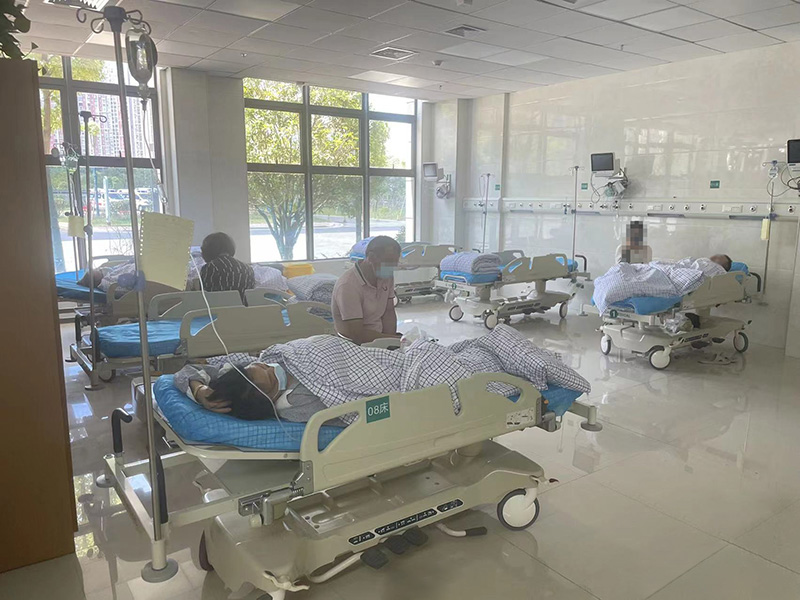
Core functions and usage precautions of medical beds
April-29 2026
Medical bed is a nursing equipment designed specifically for hospitalized patients or people with limited mobility, which balances patient comfort and nursing convenience. Scientific selection and utilization Medical beds can significantly improve nursing efficiency and reduce safety risks. This article will provide systematic guidance on core functions, selection points, type comparison, and safety regulations. 1. Core functions and applicable scenarios of medical beds 1. Multi angle adjustment function The electric or manual adjustment function of the head and tail of the bed can meet the needs of patients for sitting, sleeping, eating, rehabilitation training, etc., especially suitable for postoperative recovery or long-term bedridden patients. The intensive care unit bed also needs to be equipped with a position anti pressure ulcer mode to help patients turn over regularly. 2. Safety protection design The side rail protective device can prevent patients with blurred consciousness from falling, and the load-bearing structure must meet the standard of 300kg or more. ICU dedicated beds need to be equipped with expansion interfaces such as infusion rack sockets and ventilator brackets. 3. Principle of size adaptation The length of the bed...
-
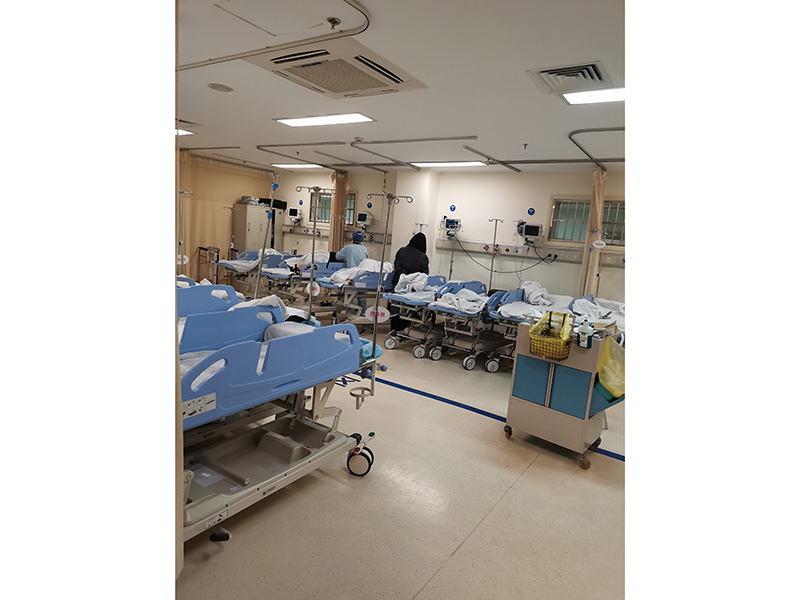
Rehabilitation Science Training Plan and Daily Nursing Points for the Elderly
April-29 2026
Rehabilitation for the elderly is a systematic and multidimensional intervention process aimed at helping the elderly population restore physical function, improve quality of life, and reduce disease risks. With the advancement of medical technology, rehabilitation medicine has formed a scientific system covering prevention, assessment, and treatment, especially for postoperative recovery, chronic disease management, and functional degradation, which has significant effects. 1. Physical therapy: the core of rebuilding bodily functions Physical therapy improves muscle strength, joint flexibility, and balance in the elderly through professional training. For example, postoperative patients need to perform ankle pump exercises to promote blood circulation, knee joint extension training to prevent stiffness, and sitting posture walking exercises to enhance lower limb strength. In addition, physical factor therapies such as electrotherapy and phototherapy can alleviate pain and accelerate tissue repair. For patients with osteoporosis or arthritis, low-intensity water exercise can reduce joint load, while functional training such as supporting squats can help restore daily activity ability. 2. Design principles of personalized rehabilitation training plan A scientifi...
-
Hospital lift bed selection and usage scenarios
-
Process analysis and practical skills of ward nursing from admission to rehabilitation
-
Functional characteristics and selection of medical diagnosis and treatment examination bed
-
Rehabilitation bed: the key to improving the quality of care for long-term bedridden patients
-
Smart elderly care technology empowers and opens up a new era of elderly care services
-
Function analysis and selection precautions of electric smart bed
-
Guidelines for selecting rehabilitation equipment and analysis of common types
-
Function analysis and selection skills of companion bed
-
New intelligent and community-based development of home-based elderly care