News
News
Treatment Tables In Healthcare: Types, Standards, And Procurement Guide
What Is a Treatment Table and Why Does It Matter?
A treatment table — also called a procedure table — is a purpose-built surface used in clinics, emergency departments, and pre-operative zones for wound dressing, minor procedures, catheterization, and other hands-on patient care. Unlike a standard examination table, a treatment table prioritizes durability, cleanability, and accessory integration. For hospital procurement teams, selecting the right treatment table directly affects workflow efficiency, infection control compliance, and staff ergonomics.
ICARE has supplied treatment tables to hospitals across more than 40 countries. This guide breaks down the specifications, material options, and configuration choices that matter most when sourcing procedure tables for clinical environments.
Types of Treatment Tables
Examination Tables
Used primarily in outpatient clinics and general practice rooms. Examination tables are typically fixed-height or semi-adjustable, with a flat padded surface designed for patient assessment rather than intervention. They carry lighter accessory loads and prioritize patient comfort.
Procedure Tables
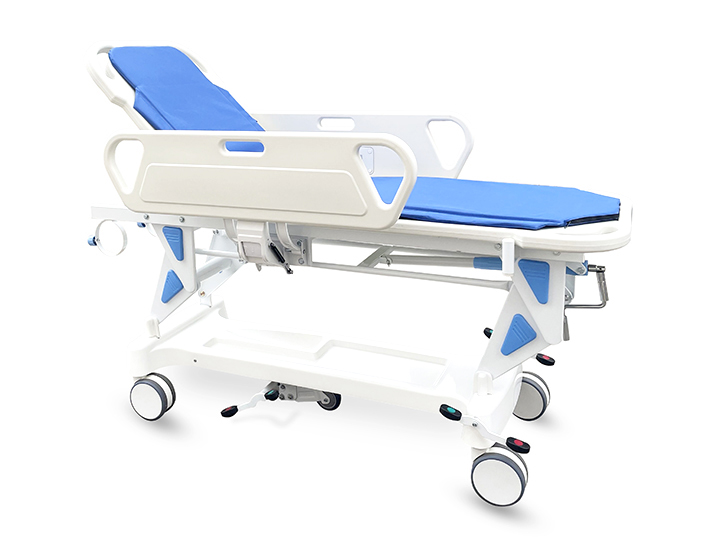
Procedure tables are the workhorse of emergency departments, minor surgery suites, and dermatology clinics. They feature full-height adjustability, higher weight capacity (often 200–250 kg), and mounting points for instrument trays, arm boards, and stirrups. Most models accommodate Trendelenburg and reverse Trendelenburg positioning.
Dressing Change Tables
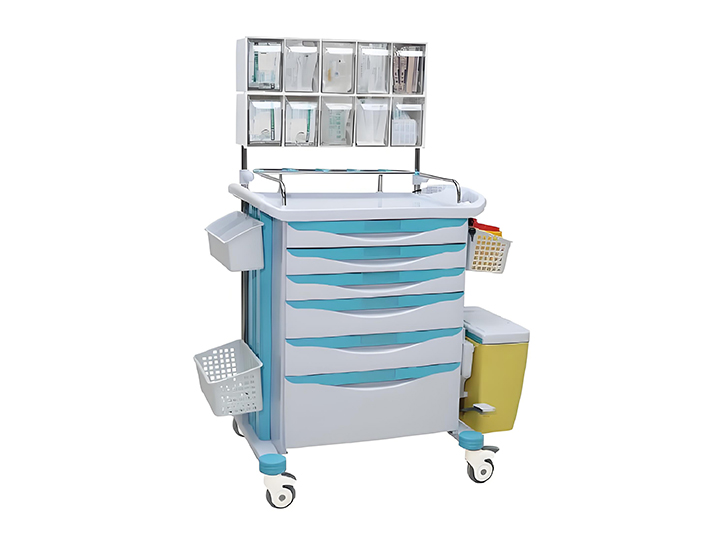
Optimized for wound care and IV site management, dressing change tables tend to be more compact, with integrated waste bins, sterile supply holders, and height adjustment via foot pedals — keeping both hands free during aseptic technique. Many dressing change tables also include built-in lighting to improve visibility during detailed wound assessment, a feature that becomes essential in departments handling chronic wounds or burn care.
Surface Materials: Stainless Steel vs. Artificial Stone vs. ABS
The surface material of a treatment table determines how well it withstands daily disinfection, chemical exposure, and mechanical wear. Three materials dominate the healthcare market, each with distinct trade-offs.
| Material | Durability | Cleanability | Cost | Best Use Case |
| 304 Stainless Steel | Excellent — resists corrosion, chemical disinfectants | Superior — non-porous, seamless welding possible | Higher | Procedure rooms, OR pre-areas, high-turnover EDs |
| ABS Engineering Plastic | Good impact resistance, lighter weight | Good — smooth surface, but can scratch over time | Lower | Outpatient exam rooms, low-acuity clinics |
| Artificial Stone | Moderate — resistant to staining | Good — seamless surface, no grout lines | Mid-range | Dermatology, aesthetics clinics |
For environments where chloride-based disinfectants are used daily, 304 stainless steel remains the industry standard. The material withstands repeated chemical exposure without degrading, pitting, or harboring biofilm in micro-cracks — a common failure point with lower-grade surfaces.
Artificial stone surfaces offer a middle ground. They resist staining better than ABS and present a smooth, non-porous face that wipes clean easily. However, they lack the chemical resistance of stainless steel and can craze under prolonged exposure to peroxide-based disinfectants. They work well in low-acuity settings like dermatology clinics or aesthetics practices, where the primary concern is cosmetic appearance and light chemical exposure.
ABS surfaces are the budget option. They perform adequately in outpatient rooms where patient turnover is moderate and disinfectant use is limited to alcohol wipes or quaternary ammonium sprays. The main vulnerability is surface scratching — over months of daily use, micro-scratches accumulate in the plastic, creating niches where bacteria can colonize beneath the visible surface. Facilities using ABS tables should plan for replacement every 3–5 years depending on usage intensity.
Height-Adjustable Design
Modern treatment tables use either electric linear actuators or gas-spring mechanisms for height adjustment.
Electric actuator models offer precise, programmable positioning — ideal for facilities standardizing on a set height for specific procedure types. They require a power connection but deliver consistent performance across the full load range. Some electric models include memory presets, allowing different clinicians to store their preferred height and recall it with a single button press.
Gas-spring models adjust with a foot lever, require no electricity, and are preferred in resource-limited settings or mobile clinics. The trade-off is slightly less precision and gradual pressure loss over years of heavy use.
Recommended adjustment range: 650–900 mm from floor surface. This range accommodates seated and standing procedures while maintaining ergonomic neutrality for clinicians of varying heights. For facilities with unusually tall or short staff, some ICARE models offer extended-range actuators that push the upper limit to 1,000 mm.
Department-Level Configuration Requirements
Outpatient Clinics
Outpatient treatment tables need moderate load capacity (150–180 kg), easy-to-clean surfaces, and compact footprints to fit smaller consultation rooms. Side rails are useful but not mandatory if the room layout limits patient roll risk. In high-volume clinics seeing 30 or more patients per day, durability of the surface material becomes the primary selection criterion — scratched or worn surfaces create infection risks and look unprofessional.
Emergency Departments
ED tables must withstand high patient throughput and occasional bariatric loads. Look for tables rated at 250 kg minimum, with seamless stainless-steel tops and integrated IV pole mounts. Casters with central locking allow quick repositioning between bays. Emergency departments also benefit from tables with rapid height adjustment — being able to lower a table quickly during a code or raise it for a procedure saves critical seconds.
Pre-Operative Zones
Tables in surgical holding areas should support full procedural positioning — Trendelenburg, lateral tilt, and lithotomy. Accessory compatibility (arm boards, leg supports, anesthesia screens) is critical here. ICARE offers configurable procedure tables with modular attachment systems designed for these zones.
Load Capacity and Structural Standards
Treatment tables in hospital settings must meet load testing requirements that exceed typical patient weight. The frame, casters, and surface mounting points are all stress-bearing elements. A table rated for 200 kg static load should not flex, creak, or wobble when a 120 kg patient is positioned for a procedure — any perceptible movement undermines clinician confidence and can compromise procedural precision.
Key specifications to verify:
• Static load rating: minimum 200 kg (250 kg preferred for ED/bariatric use)
• Dynamic load rating: tested at 1.5× static load
• Caster load rating: each caster should independently support at least 50 kg
• Side rail strength: must withstand 100 kg lateral force without deformation
• Frame weld integrity: all structural welds should be continuous and ground smooth
Many procurement specifications focus on maximum patient weight but overlook the dynamic load scenario. When a patient is repositioned during a procedure — rolled, lifted, or shifted — the forces transmitted to the table frame momentarily exceed static weight. A table with adequate dynamic load margin absorbs these forces without structural fatigue over time.
ICARE treatment tables undergo static and dynamic load testing at our 5,000 ㎡ production facility in Wuxi, with full traceability per ISO 13485 quality management requirements. Each production batch is sampled for destructive testing, and load test certificates accompany every shipment.
Accessory Options and Configuration
Treatment tables gain significant utility through well-designed accessories. Common options include:
• Instrument trays: stainless steel or ABS, mounted on adjustable arms for positioning within the sterile field
• Drawer units: lockable, for storing procedure kits, dressings, and consumables
• Waste receptacles: foot-operated lids, mounted below the work surface to maintain aseptic workflow
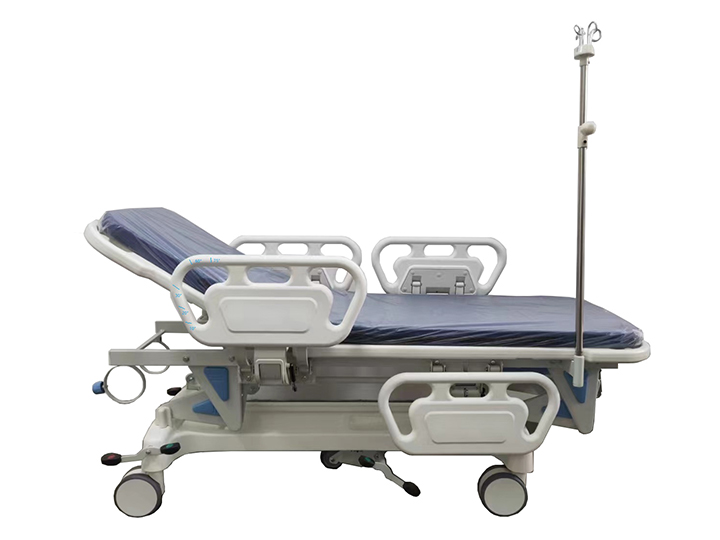
• IV poles and fluid hooks: integrated mounting points eliminate the need for freestanding poles
• Paper roll holders: for exam table covers in outpatient settings
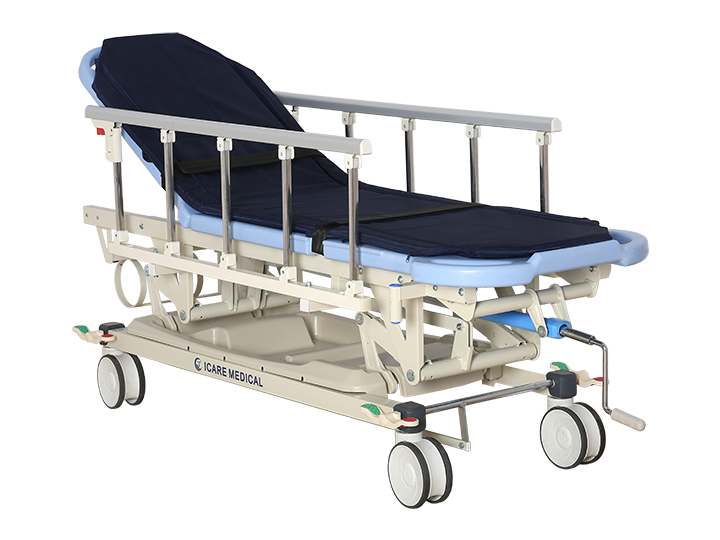
ICARE procedure tables support a full accessory ecosystem — trays, drawers, poles, and waste bins — all engineered to integrate seamlessly with the base frame rather than relying on aftermarket bolt-on solutions. This integrated approach means accessories don't wobble, rattle, or detach during use, and they can be repositioned or upgraded without replacing the entire table.
Cleaning and Disinfection Requirements
Hospital-acquired infections (HAIs) trace back to environmental surfaces in a significant percentage of cases. Treatment tables must be cleaned between every patient encounter, which means the surface material and joint design determine long-term infection risk.
Best practices for treatment table hygiene:
1. Use seamless construction wherever possible — welded joints outperform screwed or riveted assemblies in cleanability
2. Avoid fabric or foam padding in procedure areas; if padding is required, choose fluid-proof vinyl with heat-sealed edges
3. Verify that the surface material is compatible with the facility's standard disinfectant protocol (quaternary ammonium compounds, hydrogen peroxide, or chlorine-based agents)
4. Implement a documented cleaning schedule with verification logs
Stainless steel surfaces, when properly passivated during manufacturing, resist biofilm formation far more effectively than plastic or composite materials — a critical factor in high-risk departments.
Choosing the Right Treatment Table: A Procurement Checklist
Before finalizing a purchase order, hospital procurement teams should verify:
• Load capacity matches the intended patient population (including bariatric needs)
• Surface material is compatible with existing disinfection protocols
• Height adjustment range suits the clinical staff's ergonomic requirements
• Accessory compatibility covers all planned procedures
• The supplier holds ISO 13485 certification and provides full documentation
• Warranty and after-sales support are available in the installation region
Beyond this checklist, consider the long-term operational implications of your selection. A treatment table that works perfectly today may become inadequate if the department expands its procedural scope. Modular designs with standardized mounting interfaces allow accessory upgrades without full table replacement. ICARE procedure tables use a unified accessory mounting system across models, meaning a department can start with a basic configuration and add instrument trays, additional drawers, or specialized positioning aids as clinical needs evolve.
Facilities planning multi-year capital equipment budgets should also factor in total cost of ownership rather than unit price alone. Stainless steel tables carry a higher upfront cost but typically outlast ABS alternatives by 2–3 years in high-use environments, and they maintain their appearance and cleanability throughout their service life. When calculating cost per year of service, the premium option often proves more economical.
Why Hospitals Choose ICARE Treatment Tables
ICARE (Wuxi icare Medical Technology Co., Ltd.) manufactures treatment tables and procedure tables under a strict ISO 13485 quality management system. Our 5,000 ㎡ facility in Wuxi, China, supports a team of 55+ professionals covering design, production, quality assurance, and international logistics.
Our treatment table range includes electric and gas-spring height-adjustable models, bariatric-rated procedure tables, and compact dressing change stations — all configurable with ICARE-designed accessories. With experience exporting to hospitals in over 40 countries, we understand the regulatory documentation and product traceability requirements that international procurement teams expect.
Every ICARE treatment table ships with material test certificates, load test reports, and a comprehensive warranty package. Our engineering team provides technical support for specification review, helping hospitals match table configurations to their specific department requirements before the order is placed.
Recommended News
-
Hospital lift bed selection and usage scenarios
-
Process analysis and practical skills of ward nursing from admission to rehabilitation
-
Functional characteristics and selection of medical diagnosis and treatment examination bed
-
Rehabilitation bed: the key to improving the quality of care for long-term bedridden patients
-
Smart elderly care technology empowers and opens up a new era of elderly care services
-
Function analysis and selection precautions of electric smart bed
-
Guidelines for selecting rehabilitation equipment and analysis of common types
-
Function analysis and selection skills of companion bed
-
New intelligent and community-based development of home-based elderly care
◇◇ Related Content ◇◇
- How Do I Verify The Hospital Bed Factory Before Ordering?
- How Do I Compete With Direct Manufacturer Sales As A Hospital Bed Distributor?
- How Do I Verify The Factory Is Real Before Ordering Hospital Beds?
- What Documents Are Required For Hospital Bed Government Tenders?
- Hospital Bed Government Tender For 200 Beds (Full Guide)
- How Much Does OEM Mold Setup Cost For Hospital Beds?
- Emergency Hospital Bed Order: What "30-Day Delivery" Really Means
- How Long Does OEM Hospital Bed Production Take?
- Hospital Bed Spare Parts Planning: What To Stock For A 50-Bed Fleet