News
News
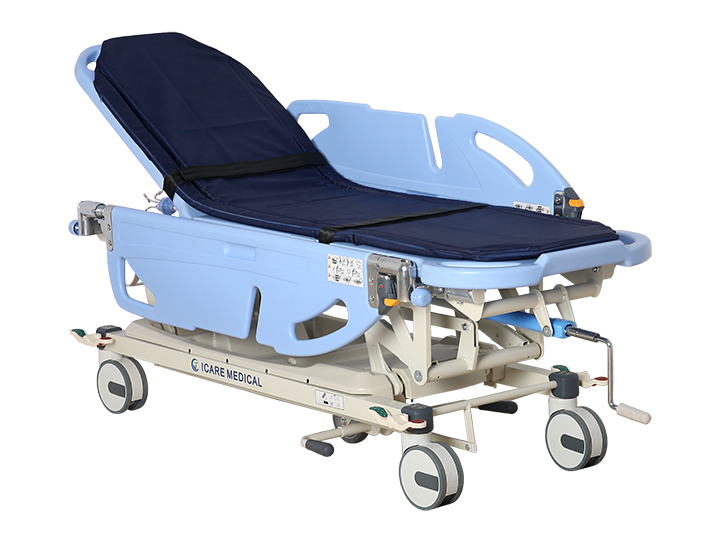
Hospital lift bed selection and usage scenarios
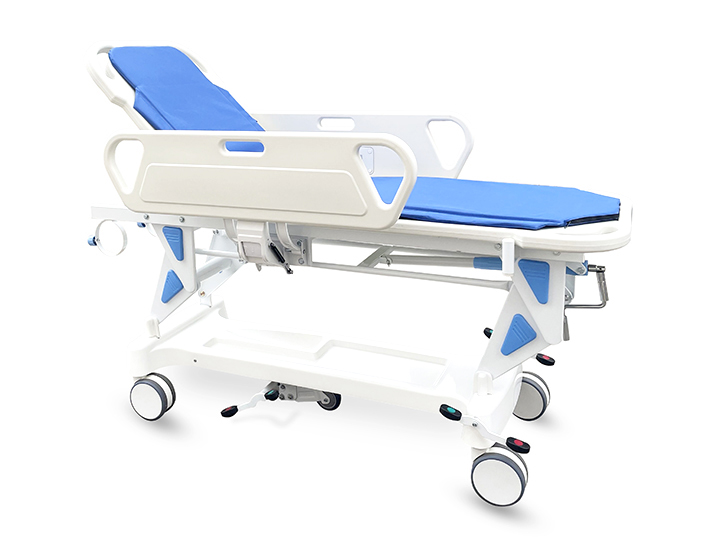
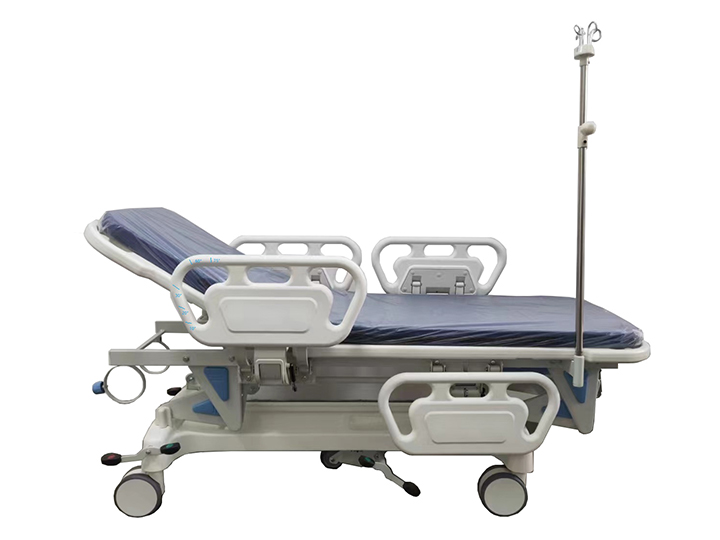
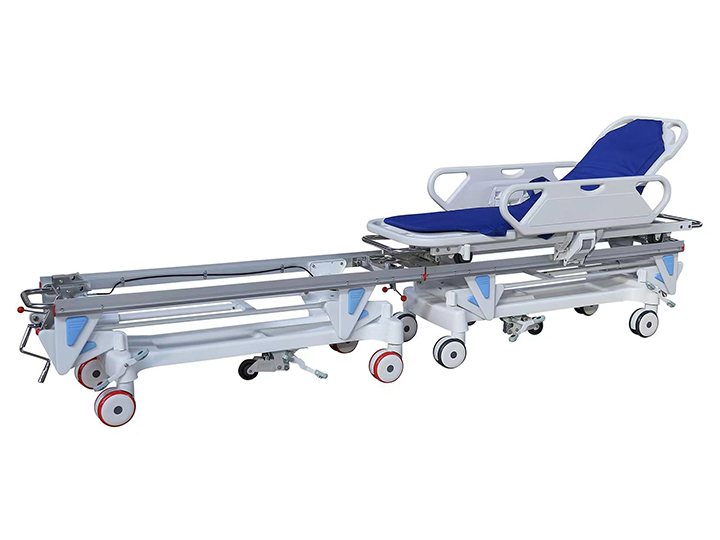
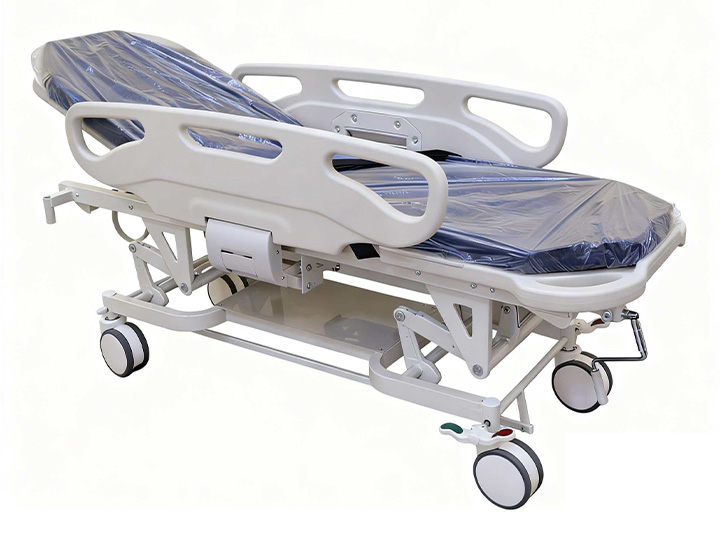
As one of the core equipment in modern medical nursing, the hospital lift bed has significantly improved patient comfort and nursing efficiency through its height adjustment and position switching functions. This article will provide an in-depth analysis of The core functions, selection points, and applicable scenarios of hospital lift beds help medical institutions and home users make scientific decisions.
Core functions and design advantages
1. Multi dimensional regulation system
-Height adjustment: The overall lifting and lowering of the bed body is achieved through electric or hydraulic devices, with an adjustment range usually between 30-70cm, making it easy for patients to safely get in and out of the bed, and adapting to different medical operation scenarios.
-Segmented position adjustment: The head of the bed can be tilted 0-75 degrees; The bed tail supports 0-40 degrees; Bending and stretching can meet the needs of patients for sitting, lying down, lifting legs, etc., especially suitable for postoperative rehabilitation and patients with breathing difficulties.
-Roll over and tilt function: Some models support left and right roll over (15-30 °) and forward and backward tilt of the bed surface, which facilitates cleaning and care, prevents pressure ulcers, and provides convenience for emergency operations.
2. Safety and Humanized Design
-Anti fall protection: equipped with detachable stainless steel guardrails, some high-end models integrate bed departure alarm systems, and monitor patient activity status in real time.
-High load-bearing structure: The bed frame is made of cold-rolled steel plate or carbon steel material, with a static load-bearing capacity of 200-260kg and a dynamic load-bearing capacity suitable for transportation needs.
-Emergency function: One click CPR (cardiopulmonary resuscitation mode) can quickly level the bed board, and with the hydraulic locking device, ensure operational stability.
Technical parameters and configuration selection
1. Basic specifications
-The standard size is 180-210cm in length and 80-90cm in width, suitable for conventional ward spaces.
-The bed surface is often made of breathable stamped steel plates or antibacterial PU materials, paired with high-density sponge mattresses, balancing support and comfort.
2. Comparison of operating modes
-Electric control: Supports touch screen/film button operation, equipped with battery to ensure 8-hour battery life after power failure, suitable for intensive care units and frequent adjustment scenarios.
-Manual hydraulic control: driven by a foot pump or joystick, with low maintenance costs, suitable for basic care units with limited budgets.
Selection suggestions and scene adaptation
1. Clinical department adaptation plan
-Emergency department/ICU: prioritize electric models, requiring one key CPR, real-time load monitoring, and 360 ° C; Rotating function for quick rescue.
-General ward/rehabilitation center: Hydraulic manual beds can be selected, with a focus on back/leg adjustment and pressure ulcer prevention design, and equipped with central control wheels to enhance mobility.
2. Precautions for Home Care
-Choose a compact design with a width of 90cm, suitable for home spaces;
-Pay attention to safety details such as silent motors and anti pinch structures to ensure long-term reliability;
-Priority should be given to suppliers who provide a 3-year or longer warranty to reduce maintenance costs.
4. Maintenance and safety regulations
-Regularly check the sealing of the hydraulic rod and the circuit system to avoid liquid leakage causing malfunctions;
-Clean the surface of the bed with medical grade disinfectant to prevent cross infection;
-Confirm the locking status of the wheels before operation, and activate the anti tipping protection mode when transporting patients.
The hospital lift bed continuously optimizes the nursing process through technological innovation. Users should match the functional configuration according to their actual needs, while paying attention to the supplier's qualification certification and after-sales service capabilities to improve the quality of medical care.
Recommended News
-
Hospital lift bed selection and usage scenarios
-
Process analysis and practical skills of ward nursing from admission to rehabilitation
-
Functional characteristics and selection of medical diagnosis and treatment examination bed
-
Rehabilitation bed: the key to improving the quality of care for long-term bedridden patients
-
Smart elderly care technology empowers and opens up a new era of elderly care services
-
Function analysis and selection precautions of electric smart bed
-
Guidelines for selecting rehabilitation equipment and analysis of common types
-
Function analysis and selection skills of companion bed
-
New intelligent and community-based development of home-based elderly care
◇◇ Related Content ◇◇
- How Do I Verify The Hospital Bed Factory Before Ordering?
- How Do I Compete With Direct Manufacturer Sales As A Hospital Bed Distributor?
- How Do I Verify The Factory Is Real Before Ordering Hospital Beds?
- What Documents Are Required For Hospital Bed Government Tenders?
- Hospital Bed Government Tender For 200 Beds (Full Guide)
- How Much Does OEM Mold Setup Cost For Hospital Beds?
- Emergency Hospital Bed Order: What "30-Day Delivery" Really Means
- How Long Does OEM Hospital Bed Production Take?
- Hospital Bed Spare Parts Planning: What To Stock For A 50-Bed Fleet