News
News
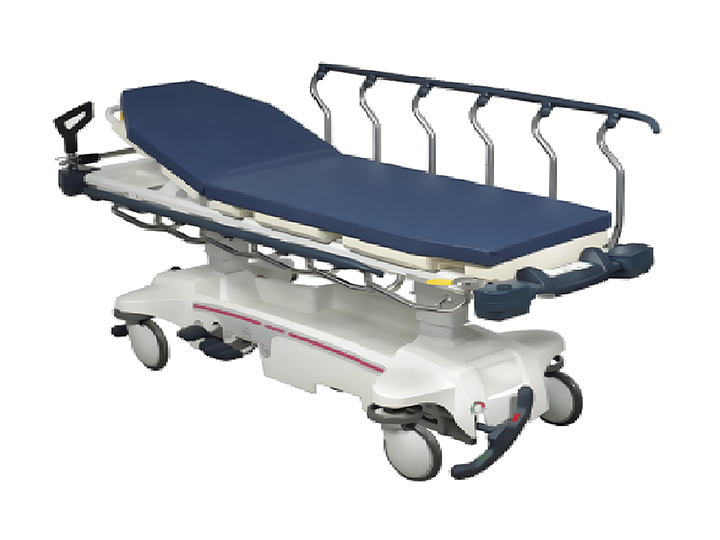
Function analysis and selection skills of companion bed
With the increasing demand for medical and home care, the use of a companion bed as an auxiliary tool has gradually become a necessity. This article provides consumers with a systematic purchasing guide from the perspectives of product types, functional design, and key purchasing points.
Common types and applicable scenarios of companion beds
1. Folding companion bed: lightweight and easy to store, suitable for hospital wards or environments with limited family space. Its frame is mostly made of aluminum alloy or carbon steel material, balancing load-bearing and durability.
2. Multi functional nursing bed: equipped with functions such as lifting and turning assistance, suitable for long-term bedridden patients, and can reduce the workload of nursing staff.
3. Shared intelligent companion bed: rented by scanning the code, available for immediate pick-up and return, commonly found in public areas of hospitals. This type of product adopts a card slot design, which automatically locks upon return for easy unified management.
2. Core functions and innovative design
Modern care beds incorporate multiple humanized technologies in their design:
Antibacterial and mite proof treatment: The bed frame and fabric are treated with special technology to inhibit bacterial growth and ensure hygiene during use.
Intelligent control system: Some high-end models support electronic adjustment of angle, height, and lighting functions, making night use more convenient.
Safety protection design: The corners are rounded to avoid collision, and some products are equipped with anti slip brackets to ensure stability.
Space utilization optimization: For example, hidden storage compartments can store personal items, with a folded thickness of only 1015 centimeters, saving space.
Four shopping tips
1. Material and structure priority
The frame should be made of carbon steel or aluminum alloy, with a recommended load-bearing capacity of no less than 150 kilograms.
The mattress is recommended to be made of high-density memory cotton material, which can disperse pressure and improve comfort.
2. Matching usage scenarios
Priority should be given to shared or foldable hospital scenarios for quick deployment and recycling.
Long term use at home can consider a multifunctional nursing bed that supports position adjustment.
3. Pay attention to health and safety certification
Medical grade products must comply with the GB/T 24430.12009 standard to ensure that the materials are non-toxic and harmless.
Check if the antibacterial test report has been passed, especially for the contact surface fabric.
4. Evaluation of Intelligence and Convenience
Shared devices should support functions such as QR code payment and automatic settlement, and the operation process should be completed within 30 seconds.
It is recommended to choose a detachable cloth cover design for household use, which is easy to clean and maintain.
Sharing mode promotes industry upgrading
The popularization of shared care beds has solved the pain points of traditional models:
Efficient resource allocation: Real time monitoring of usage rates on each floor through data analysis, and flexible adjustment of equipment distribution.
Reduce management costs: Self service leasing reduces the need for manual duty, and rental income can be used to support hospital facility updates.
User Experience Upgrade: Adopting“ Scan the code to retrieve and return; Closed loop process, the rental deposit is usually refunded immediately after return.
Future Development Trends
The industry is moving from a single function to intelligent and modular direction. For example, some manufacturers have launched combined bed cabinet all-in-one machines, which can be used as storage cabinets during the day and unfolded as sleeping spaces at night. In addition, the application of IoT technology can achieve remote monitoring of device status, further optimizing operation and maintenance efficiency.
Choosing a companion bed requires comprehensive consideration of usage scenarios, functional requirements, and budget. Consumers are advised to prioritize purchasing through legitimate channels and request quality inspection reports. For short-term demanders, the sharing model can significantly reduce costs and is a more economical and flexible choice.
Recommended News
-
Hospital lift bed selection and usage scenarios
-
Process analysis and practical skills of ward nursing from admission to rehabilitation
-
Functional characteristics and selection of medical diagnosis and treatment examination bed
-
Rehabilitation bed: the key to improving the quality of care for long-term bedridden patients
-
Smart elderly care technology empowers and opens up a new era of elderly care services
-
Function analysis and selection precautions of electric smart bed
-
Guidelines for selecting rehabilitation equipment and analysis of common types
-
Function analysis and selection skills of companion bed
-
New intelligent and community-based development of home-based elderly care
◇◇ Related Content ◇◇
- How Do I Verify The Hospital Bed Factory Before Ordering?
- How Do I Compete With Direct Manufacturer Sales As A Hospital Bed Distributor?
- How Do I Verify The Factory Is Real Before Ordering Hospital Beds?
- What Documents Are Required For Hospital Bed Government Tenders?
- Hospital Bed Government Tender For 200 Beds (Full Guide)
- How Much Does OEM Mold Setup Cost For Hospital Beds?
- Emergency Hospital Bed Order: What "30-Day Delivery" Really Means
- How Long Does OEM Hospital Bed Production Take?
- Hospital Bed Spare Parts Planning: What To Stock For A 50-Bed Fleet