
News
News
-

Medical Beds: Key Equipment For Enhancing Nursing Quality And Patient Comfort
June-29 2026
As a core piece of equipment in medical care settings, medical beds are specifically designed for inpatients and various individuals requiring professional care. They are not just ordinary beds but integrate comfort and functionality, aiming to provide patients with a secure resting environment while facilitating the daily work of nursing staff. Choosing the right medical bed is crucial for improving overall nursing efficiency and the patient's rehabilitation experience. Core Functional Features of Medical Beds The design of medical beds focuses on patient comfort and safety, as well as the convenience of nursing operations. Their main functions include: Height Adjustment Function: The entire bed frame can be adjusted in height as needed. This function not only makes it easier for patients to get in and out of bed by themselves but also allows nursing staff to work in a more comfortable and ergonomic position when providing bedside care, changing bed sheets, or performing treatment procedures, thereby reducing occupational strain. Head and Foot Adjustment: The head and foot sections can be adjusted in angle independently or synchronously. Patients can adjust to the most comfortable position according to their own needs (such as reading, eating, resting, or under...
-
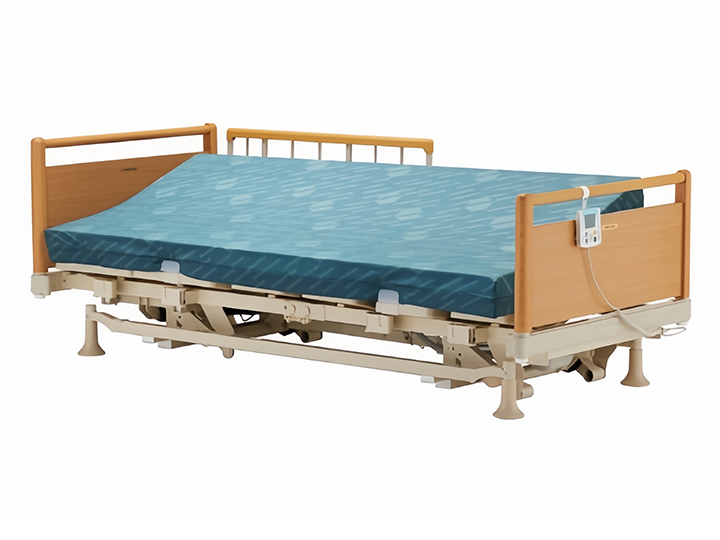
Nursing Bed Buying Guide: Comprehensive Analysis Of Types, Functions, And Safety Considerations
June-29 2026
A nursing bed is a specialized bed designed for patients or the elderly with limited mobility or those who are bedridden for long periods. It not only provides basic resting functions but also integrates multiple care-assisting features, aiming to enhance the user's comfort and quality of life while reducing the burden on caregivers. Given the specific nature of their user base, nursing beds are subject to far stricter requirements regarding safety and stability in their design and manufacturing compared to ordinary beds. Faced with a variety of products on the market, understanding the main types of nursing beds and their core functions is the first step in making the right choice. According to the driving method and functional configuration, nursing beds can be roughly divided into the following categories: Electric nursing beds are a common choice in modern care. Equipped with electric drive systems, they can easily perform functions such as backrest elevation, leg elevation, and even full-body tilting (e.g., the Trendelenburg position). This convenient electric assistance helps users complete actions such as sitting up, eating, reading, or turning over independently or with minimal assistance from family members, greatly promoting autonomy and blood circulation. To ensur...
-
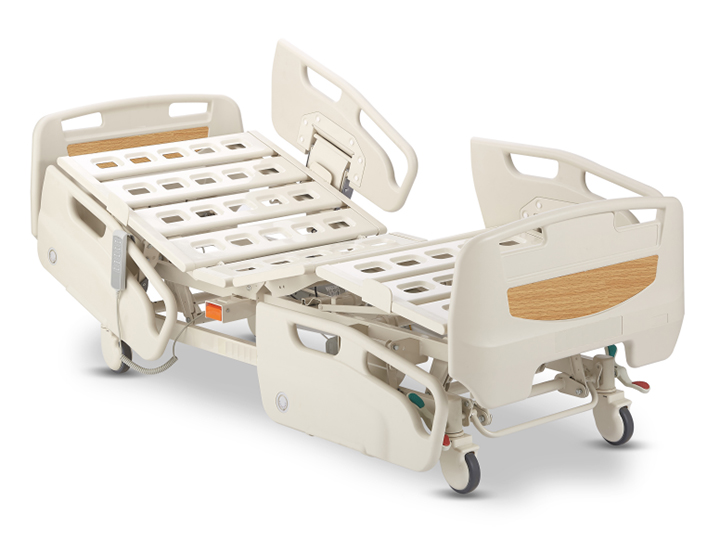
Comprehensive Analysis Of Medical Beds: Core Functions, Type Selection, And Modern Intelligent Applications
June-29 2026
Medical beds are indispensable professional equipment in medical institutions, providing support for patient treatment, rehabilitation, and daily care. A medical bed that meets the requirements can not only improve patient comfort and safety but also assist medical staff in performing their work efficiently. This article will systematically introduce the key features, main types, and development trends of medical beds to help you fully understand their important value. Core Functional Features of Medical Beds The design of modern medical beds fully considers the two-way needs of patients and medical staff, mainly reflected in the following aspects: 1. Height Adjustability: The head, foot, and overall height of medical beds are usually flexibly adjustable. This not only facilitates patients' daily activities such as eating, reading, or resting but also provides convenience for medical staff to perform examinations, dressing changes, nursing, and other operations, reducing their workload. 2. Comprehensive Safety Protection: Safety is the primary principle in medical bed design. Common protective facilities include liftable guardrails, which effectively prevent patients from falling when turning over; anti-slip bed structures and stable bed foot designs ensure...
-

Medical nursing bed: the key to improving the quality of medical care
June-04 2026
As an indispensable infrastructure in medical facilities, the design of medical nursing beds directly affects the rehabilitation experience of patients and the work efficiency of medical staff. With the advancement of medical technology, Medical beds have developed various intelligent and humanized functions, becoming an important indicator for measuring the service level of medical institutions. Analysis of Core Functions of Medical Beds 1. Height adjustment system By using electric or manual devices to achieve the overall lifting and lowering of the bed, it can adapt to the operational needs of medical staff of different heights, effectively reducing the risk of occupational injuries. Simultaneously supporting seamless integration with devices such as wheelchairs and stretchers, especially suitable for postoperative transportation scenarios. 2. Position adjustment module -Bedhead/footrest independent lifting: supports 0° -75° Lift the back to meet the patient's needs for eating, examination, etc; Legs 0° -40° The lifting function can promote blood circulation. -Full bed tilt function: Some high-end models are equipped with 0-12° The overall tilt adjustment is suitable for special treatment position requirements. 3. Safety protec...
-
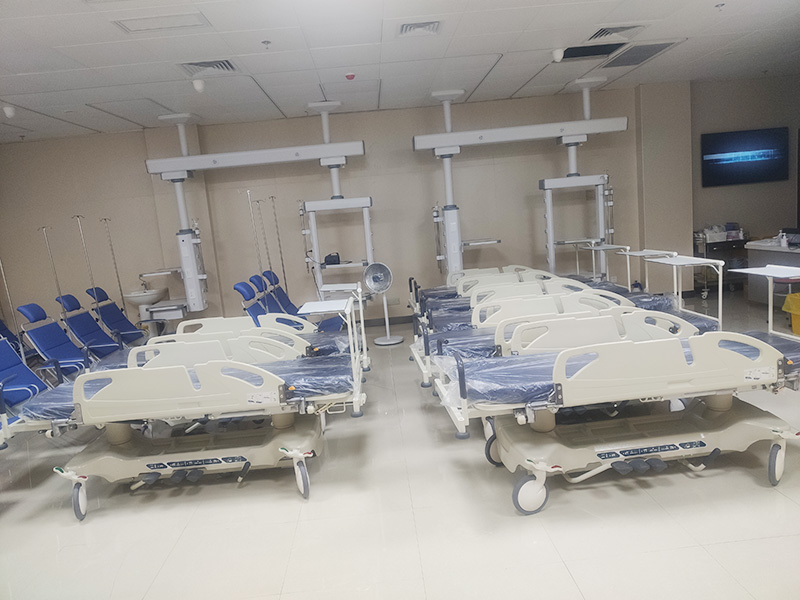
Hospital lift bed selection and usage scenarios
June-04 2026
As one of the core equipment in modern medical nursing, the hospital lift bed has significantly improved patient comfort and nursing efficiency through its height adjustment and position switching functions. This article will provide an in-depth analysis of The core functions, selection points, and applicable scenarios of hospital lift beds help medical institutions and home users make scientific decisions. Core functions and design advantages 1. Multi dimensional regulation system -Height adjustment: The overall lifting and lowering of the bed body is achieved through electric or hydraulic devices, with an adjustment range usually between 30-70cm, making it easy for patients to safely get in and out of the bed, and adapting to different medical operation scenarios. -Segmented position adjustment: The head of the bed can be tilted 0-75 degrees; The bed tail supports 0-40 degrees; Bending and stretching can meet the needs of patients for sitting, lying down, lifting legs, etc., especially suitable for postoperative rehabilitation and patients with breathing difficulties. -Roll over and tilt function: Some models support left and right roll over (15-30 °) and forward and backward tilt of the bed surface, which facilitates cleaning and care, prevents pressure ulcers, and...
-
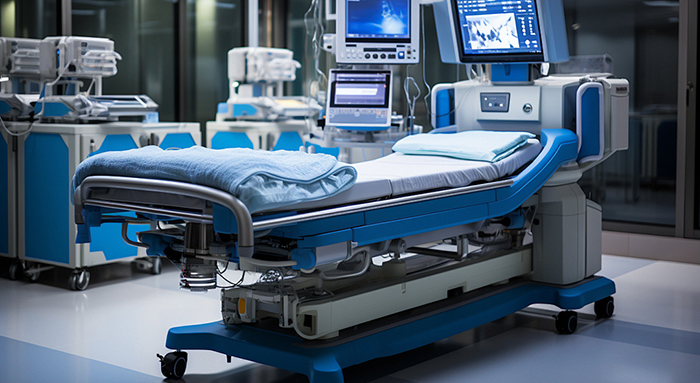
Comparison and Maintenance Guidelines for Medical Bed Functions
June-04 2026
As an important facility for medical nursing, the design of medical beds should take into account both patient comfort and nursing convenience. This article will comprehensively analyze the four dimensions of classification, functionality, selection, and maintenance The core points of medical beds. Core classification of medical beds According to the operation mode and usage scenario, medical beds can be divided into the following categories: 1. Classified by driving method -Manual hospital bed: adjusted by mechanical structure, economical and practical. Common types include single shaker (with only the back panel adjustable), double shaker (with adjustable back panel and leg panel), and triple shaker (with increased overall height adjustment), suitable for scenarios with mild symptoms or limited budget. -Semi electric hospital bed: Some functions (such as back panel lifting) are driven by electricity, balancing cost-effectiveness and ease of operation. -Fully electric hospital bed: One click adjustment of bed height, backboard, and leg board, suitable for critically ill patients or scenarios that require frequent adjustment of body position. 2. Classify by functional scenario -Anti pressure ulcer bed: equipped with air cushion or wate...
-
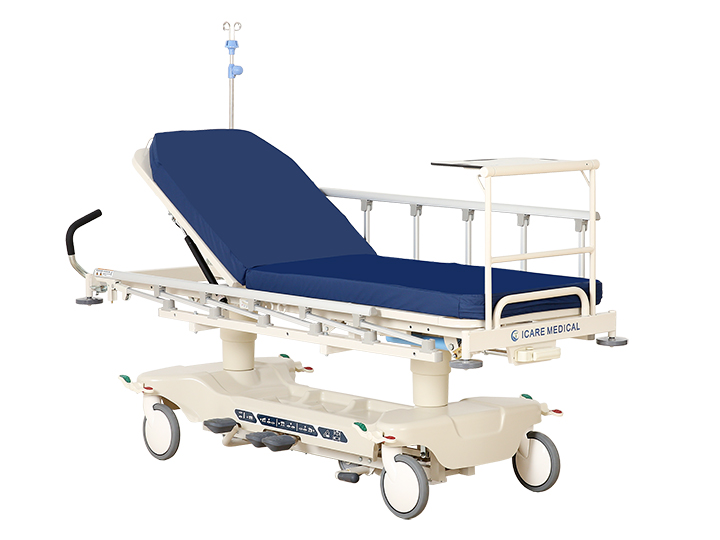
Process analysis and practical skills of ward nursing from admission to rehabilitation
June-04 2026
Ward nursing is an indispensable part of the medical process, covering systematic care from patient admission to discharge, aimed at ensuring patient safety, promoting recovery, and enhancing the medical experience. The following are the core contents and operational points of ward nursing, helping medical staff and their families fully grasp the essentials of nursing. The core content of ward nursing 1. Nursing during admission stage -Personal hygiene treatment: Assist patients in completing basic cleaning such as washing hair, bathing, changing clothes, etc., to ensure physical comfort. -Environmental adaptation: Introduce the ward layout and facility usage rules to patients and their families to reduce unfamiliarity. -Health assessment: Establish medical records and record vital signs (temperature, blood pressure, etc.) to provide a basis for subsequent nursing care. 2. Daily nursing focus -Morning and evening care: Assist patients in washing up, making beds, and keeping the ward clean. -Dietary management: Label the type of diet (such as liquid, low salt) according to medical advice, supervise hand washing before meals and post meal organization. -Special needs care: For comatose, incontinence or elderly patients, increase th...
-
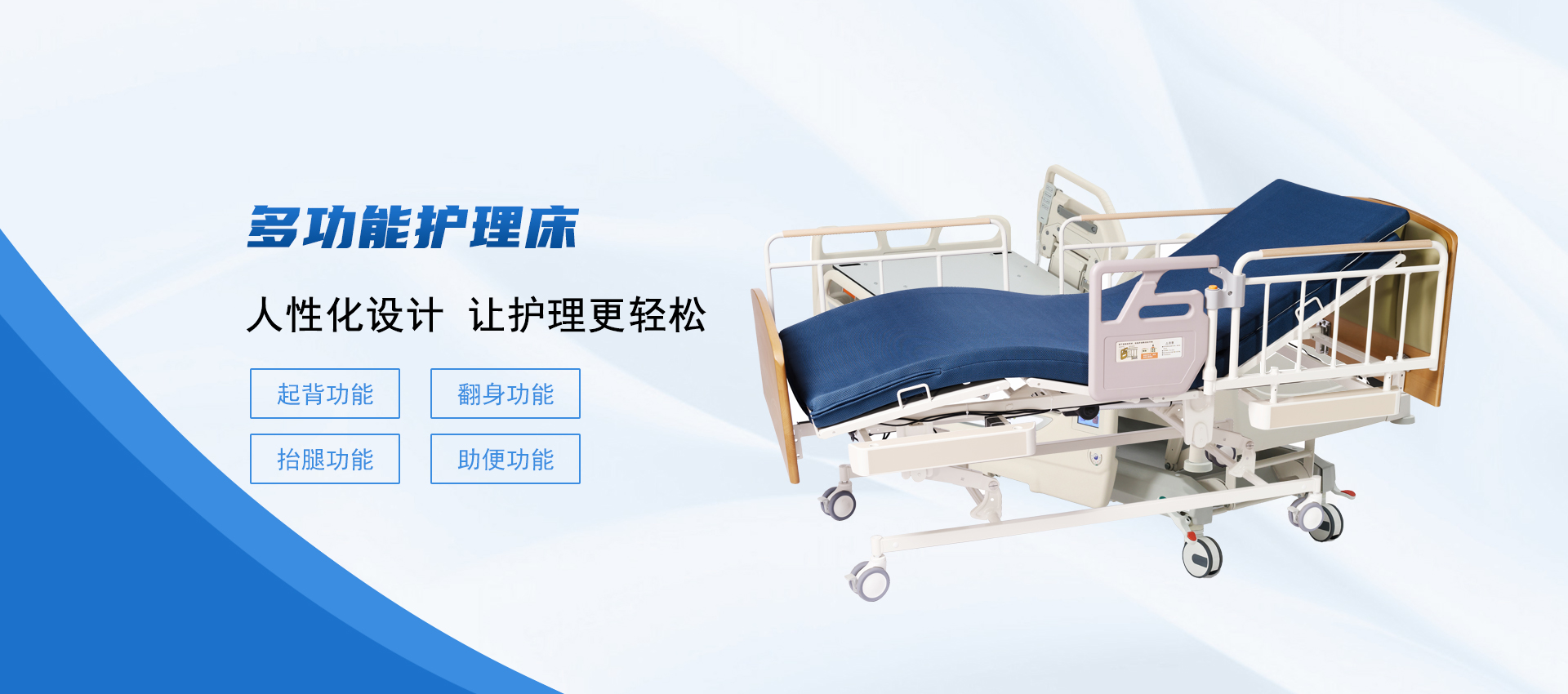
Functional characteristics and selection of medical diagnosis and treatment examination bed
June-04 2026
The diagnosis and treatment examination bed, as an indispensable basic equipment in the medical scene, is widely used in disease diagnosis, rehabilitation treatment, clinical nursing and other aspects.The core value of the diagnosis and treatment examination bed is to enhance the experience of both doctors and patients through ergonomic design; — It not only ensures the comfort and safety of patients during examinations, but also creates efficient and convenient operating conditions for medical staff. Core functions and design features Modern diagnosis and treatment beds generally adopt modular design and have three core functions: 1. Multi dimensional adjustment system: supports electric/manual adjustment of bed height from 0.6-1.1 meters, the backboard can be tilted 0-85 degrees, and the leg support area is equipped with a range of 0-30 degrees of movement. Some high-end models integrate memory function, which can store commonly used posture parameters. 2. Safety protection devices: including anti fall guardrails, emergency brake buttons, overweight alarm systems (with a load-bearing range of 200-300kg), and 304 stainless steel skeletons coated with antibacterial materials to ensure long-term stability. 3. Scene adaptation and expansion: The gynecological examinat...
-
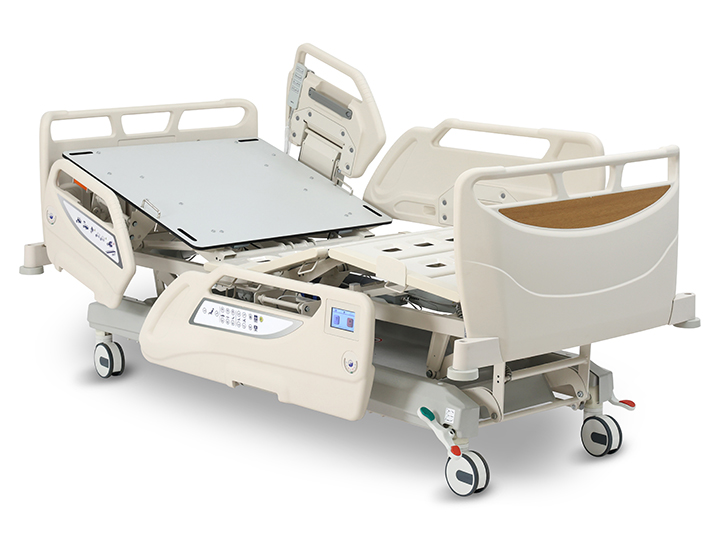
Rehabilitation bed: the key to improving the quality of care for long-term bedridden patients
June-04 2026
As a medical device designed specifically for rehabilitation treatment and long-term bedridden patients, rehabilitation beds play an important role in improving patients' quality of life, assisting rehabilitation training, and reducing nursing burden. This article will comprehensively analyze from the perspectives of core functions, selection points, and applicable scenarios Rehabilitation bed helps users make scientific choices. Classification of core functions of rehabilitation beds 1. Basic nursing functions -Position adjustment: Supports 0-75 degree lifting and lowering of the headboard, helping patients switch between sitting and lying positions, facilitating eating, reading, or rehabilitation training. -Leg lifting: By using the leg lifting function to promote blood circulation in the lower limbs, coupled with an anti slip design (the hip support plate automatically adjusts the height), it prevents patients from sliding due to changes in body position. -Flip over assistance: The 0-60 degree flip function can be timed or manually operated to prevent bedsores and reduce physical exertion for nursing staff. 2. Advanced nursing functions -Intelligent sensing system: Some high-end models are equipped with urine wetness alarm and sensing...
-
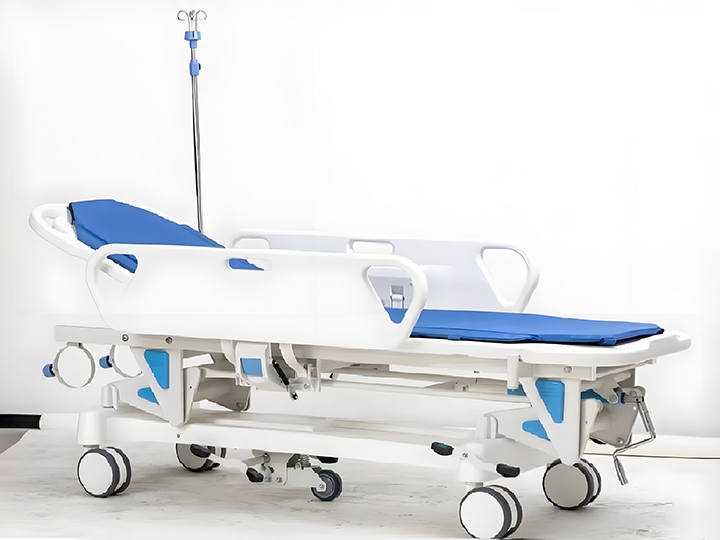
Smart elderly care technology empowers and opens up a new era of elderly care services
June-04 2026
With the worsening of population aging, traditional elderly care models are facing enormous challenges. Smart elderly care integrates cutting-edge technologies such as the Internet of Things, artificial intelligence, and big data to build a comprehensive and multi-level intelligent service system, creating a safe, comfortable, and dignified elderly life for the elderly. The core advantages of smart elderly care 1. Precise health management Through devices such as smartwatches and health monitoring mattresses, physiological indicators such as heart rate, blood pressure, and sleep quality are tracked 24/7, and data is synchronized in real-time to a cloud platform. When abnormal fluctuations are detected, the system automatically triggers a warning mechanism, linking family members and medical institutions to achieve early detection and intervention of diseases. 2. Intelligent security assurance Devices such as fall prevention radar and smoke alarms are integrated into the home environment, combined with AI behavior recognition algorithms, to accurately determine whether an elderly person has an accident. For example, the fall detection system can recognize abnormal postures within 3 seconds and notify rescue personnel through emergency call devices, great...
-
Hospital lift bed selection and usage scenarios
-
Process analysis and practical skills of ward nursing from admission to rehabilitation
-
Functional characteristics and selection of medical diagnosis and treatment examination bed
-
Rehabilitation bed: the key to improving the quality of care for long-term bedridden patients
-
Smart elderly care technology empowers and opens up a new era of elderly care services
-
Function analysis and selection precautions of electric smart bed
-
Guidelines for selecting rehabilitation equipment and analysis of common types
-
Function analysis and selection skills of companion bed
-
New intelligent and community-based development of home-based elderly care