
News
News
-
Comprehensive analysis and selection skills of elderly care bed types and functions
June-04 2026
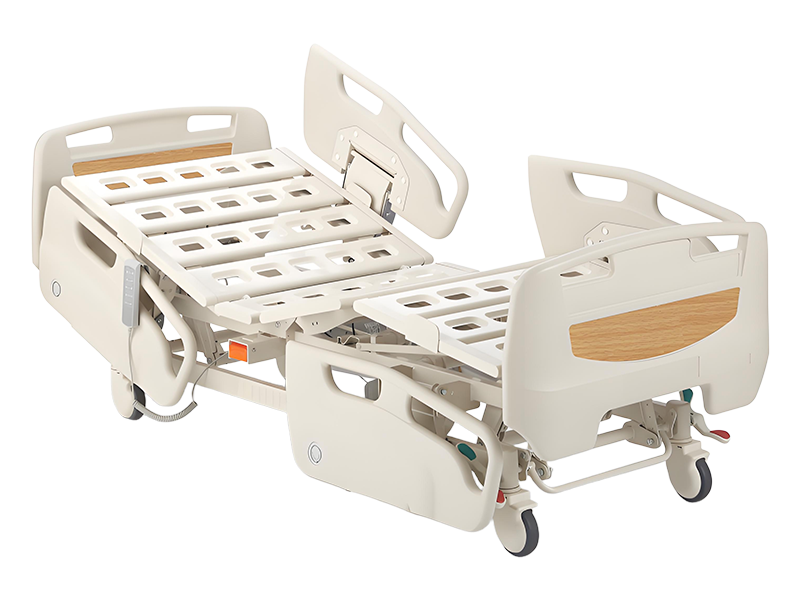
As a medical aid designed specifically for people with limited mobility or long-term bed rest, elderly care beds provide users with a safe and comfortable care environment through scientific structure and functional configuration. This article will analyze the system The classification, core functions, and selection precautions of nursing beds help families scientifically choose suitable products. Comparison of mainstream nursing bed types 1. Manual adjustment version: Using cold-rolled steel or aluminum alloy frame, the back lifting and leg adjustment functions are achieved through mechanical structure, with high load-bearing and durability characteristics. Suitable for households with limited budget and simple nursing needs, requiring manual adjustment of the device. 2. Electric intelligent model: equipped with a motor drive system, which can achieve 0-80 ° C through a remote control; Back lift, 0-45° Multiple angle adjustments such as leg bending. Some high-end models support voice command operations and are equipped with automated functions such as one click reset and timed turning, significantly reducing the intensity of care. 3. Folding portable model: The bed adopts a modular design, supporting quick disassembly and folding. Suitable for short-term re...
-
Function analysis and selection precautions of electric smart bed
June-04 2026
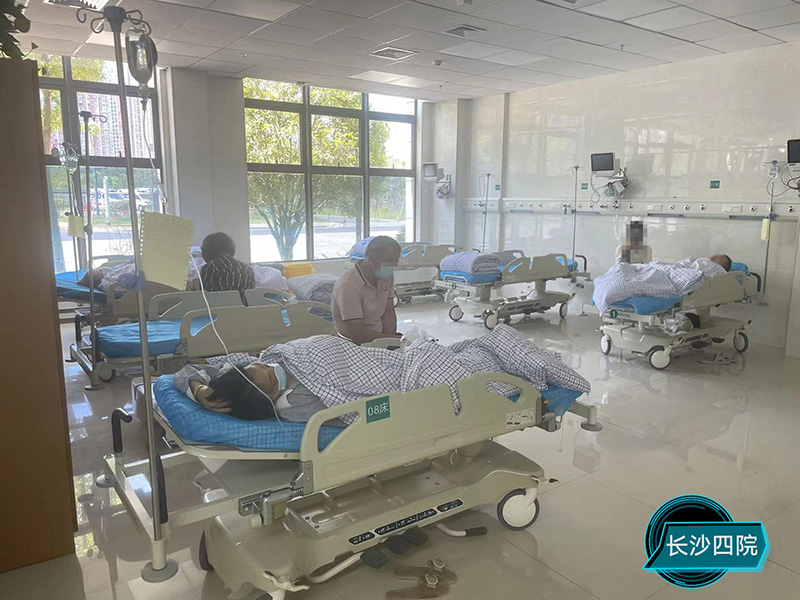
With the deep integration of technology and health concepts, electric smart beds have gradually become a popular choice in modern homes; New favorite;. This type of bed not only integrates electric adjustment and intelligent technology, but also provides users with a more scientific and comfortable sleep experience through real-time monitoring and dynamic adjustment. The following is a comprehensive analysis of the core functions, core advantages, and purchasing points of electric smart beds. Core Function: Technology Empowers Sleep 1. Multi dimensional electric adjustment The electric smart bed supports personalized adjustment of mattress hardness, angle, and height. Users can switch between zero gravity mode, reading mode, etc. with one click through a remote control or mobile application, effectively relieving physical stress, especially suitable for people who sit for long periods of time or have lumbar discomfort. 2. Intelligent monitoring and dynamic adjustment The built-in sensor can track the user's sleeping posture, turning frequency, and breathing rhythm in real time, combined with AI algorithms to automatically adjust the mattress support force, ensuring that the spine is always in a natural state. Some high-end models also have a sleep q...
-
Function analysis and selection guide for medical treatment vehicles
June-03 2026
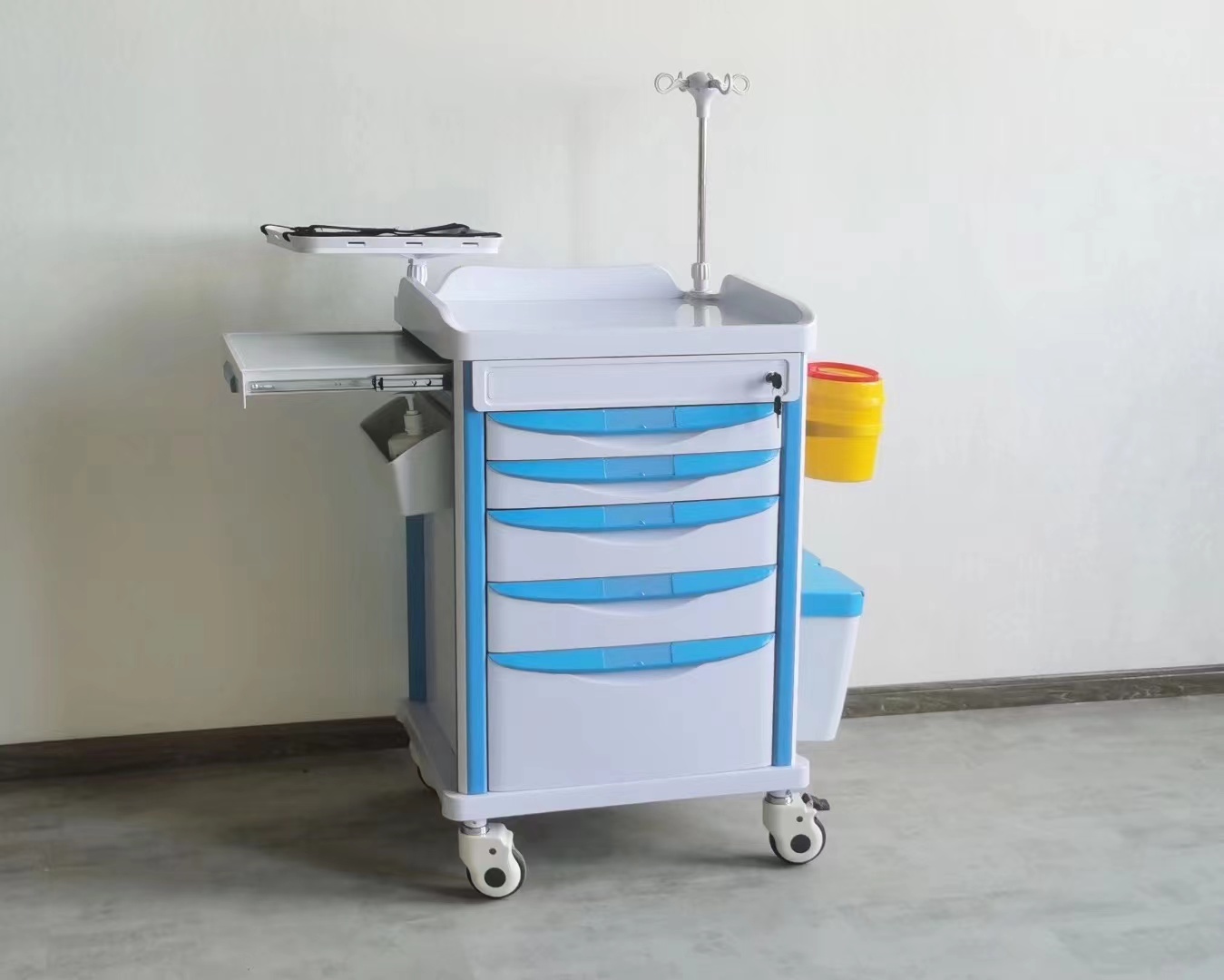
In the medical environment, The core functions and design advantages of treatment vehicles 1. Lightweight mobile design The treatment vehicle is made of lightweight materials such as ABS, stainless steel, or carbon steel spray coating, with a lightweight and structurally stable body. Equipped with anti slip silent casters, there is no noise and the steering is flexible when pushed, especially suitable for quick transfer in narrow spaces such as wards and corridors. Some models adopt a dual bearing caster design, which combines wear resistance and anti entanglement function, avoiding movement obstruction caused by cables or debris. 2. Modular accessory combination To meet diverse medical needs, the treatment vehicle supports personalized accessory configuration. For example: -Multi layer drawer design: Store sterile items, cleaning tools, and medicines in designated areas to avoid cross contamination. -Three sided fence countertop: Provides spacious operating space for placing commonly used items such as infusion bottles and treatment trays, while preventing items from slipping off. -Suspended waste bin: Some car models are equipped with detachable waste recycling devices for easy garbage classification and disposal...
-
Guidelines for selecting rehabilitation equipment and analysis of common types
May-31 2026
Rehabilitation equipment, as an important tool to help patients restore physical function and improve their quality of life, has been widely used in hospitals, rehabilitation centers, and home settings. With the increasing awareness of health, the market for home rehabilitation equipment continues to heat up, and consumers need to pay close attention to the legality, applicability, and usage standards of the products when making purchases. Precautions for purchasing household rehabilitation equipment 1. Clarify requirements and product functions: There are various types of home rehabilitation equipment, mainly including therapeutic devices, physical therapy devices, blood glucose meters, blood pressure monitors, walking aids, etc. Before purchasing, it is necessary to select equipment with corresponding functions based on the patient's specific rehabilitation needs (such as joint training, muscle stimulation, cardiopulmonary function improvement, etc.). For example, patients with lower limb dysfunction can choose treadmills or power bikes, while patients with cervical problems can consider traction devices. 2. Verify product qualifications and specifications: Legitimacy and compliance are prerequisites for purchasing. It is necessary to confirm that the product h...
-
Operating standards, usage guidelines, and precautions for emergency beds
May-27 2026
As the core equipment in emergency medical scenarios, the correct use and maintenance of the emergency bed directly affect the safety of patient transportation and the efficiency of treatment. This article provides a systematic analysis from four dimensions: functional characteristics, operating standards, precautions, and equipment selection Clinical application points of emergency beds. The core functions and usage scenarios of emergency beds 1. Quick transfer function: The emergency bed is equipped with flexible casters and a central braking system, which can quickly transfer patients in emergency rooms, ambulances, and other scenarios, and lock the bed immediately upon arrival at the target location to avoid sliding risks. 2. Multi position adjustment ability: Through electric or manual control, the back tilt angle, leg support height, and overall bed lifting and lowering (range 43-93cm) can be adjusted to meet different treatment needs such as cardiopulmonary resuscitation and trauma management. 3. Safety protection design: Standard side guardrails, three-point seat belts, and anti fall structures, especially suitable for transporting patients with unclear consciousness or restlessness. Some models integrate expansion interfaces such as oxygen cylinder brackets...
-
Comprehensive analysis of institutional elderly care: the balance between professional nursing and comfortable living
May-24 2026
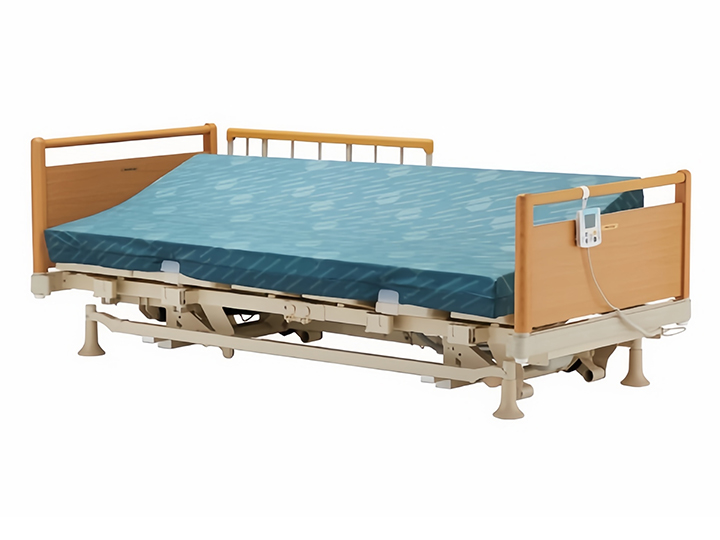
With the arrival of an aging society, institutional elderly care, as a specialized elderly care model, has gradually become the choice of many families. This article will delve into the core characteristics, advantages, and limitations of institutional elderly care, providing scientific references for families in need. The core advantages of institutional elderly care 1. Deep integration of medical resources Professional elderly care institutions are generally equipped with medical teams and basic diagnostic and treatment equipment, which can provide 24-hour health monitoring, chronic disease management, and postoperative rehabilitation services. Some institutions have passed the; Integration of medical care and elderly care; The model seamlessly integrates medical resources with elderly care, such as setting up family style wards and establishing rehabilitation therapy departments, allowing elderly people to complete treatment and rest in a familiar environment. 2. Full cycle life care system From daily living to spiritual care, institutional elderly care provides a standardized service system: -Basic guarantee: Daily nutritious meals, room cleaning, clothing washing -Safety guarantee: fall prevention facilities, emergency call system, inte...
-
Analysis of Development Trends and Technological Application Prospects in the Biomedical Industry
May-20 2026
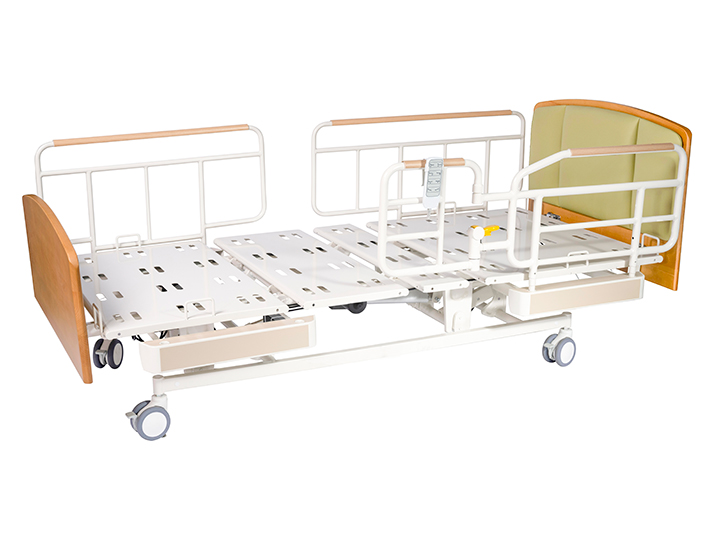
As a cutting-edge field that integrates biology, medicine, and engineering, the biomedical industry is reshaping the healthcare industry landscape with technological innovation as its core driving force. With breakthroughs in technologies such as gene editing, cell therapy, and intelligent healthcare, the industry is entering a period of rapid development and demonstrating enormous potential in disease treatment, health management, and other areas. Industry Trend: Innovation and Digitization Advancing Together 1. Innovative targets and therapeutic breakthroughs The industry's research and development focus is shifting towards innovative targets and next-generation therapies, such as cell and gene therapy (CGT) technology, which achieves precise intervention in genetic diseases, tumors, and other diseases by modifying patients' own cells or genes. The maturity of gene editing tools such as CRISPR technology has further propelled gene therapy from the laboratory to clinical practice. 2. Accelerated digital transformation The penetration of artificial intelligence and big data technology is restructuring the entire healthcare industry chain. AI can shorten the compound screening cycle and reduce research and development costs in new drug development; In clinical...
-
Functional analysis of medical beds: professional choices to meet different nursing needs
May-17 2026
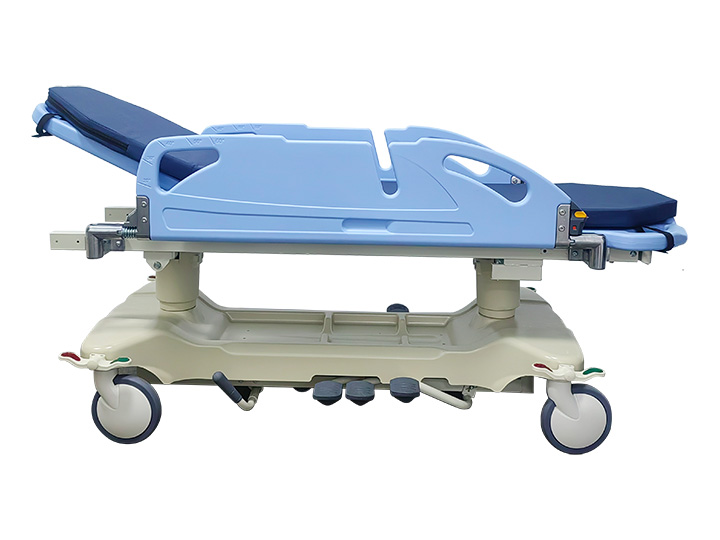
Medical beds, as medical equipment designed specifically for hospitalized patients, postoperative rehabilitation populations, and patients requiring long-term care, play an important role in improving nursing efficiency and patient comfort. Its core functions revolve around safety, adjustability, and convenience, and are suitable for various scenarios such as hospitals, nursing homes, rehabilitation centers, and home care. The core functions and design features of medical beds 1. Multi level intelligent adjustment system Medical beds are usually equipped with electric or manual adjustment devices, supporting multi-stage height adjustment of the head, tail, and surface of the bed. By controlling buttons or foot pedals, it is easy to achieve posture adjustments such as back lifting and leg flexion, helping patients complete actions such as eating, reading, and rehabilitation training. For example, adjusting the back angle can alleviate breathing difficulties, while lifting the legs can help promote blood circulation. 2. Safety protection and stable support To ensure patient safety, medical beds commonly use foldable guardrail designs to prevent falls when turning over or moving. Some high-end models are equipped with emergency brake buttons and fixed seat...
-
Function analysis and selection skills of companion bed
May-13 2026
With the increasing demand for medical and home care, the use of a companion bed as an auxiliary tool has gradually become a necessity. This article provides consumers with a systematic purchasing guide from the perspectives of product types, functional design, and key purchasing points. Common types and applicable scenarios of companion beds 1. Folding companion bed: lightweight and easy to store, suitable for hospital wards or environments with limited family space. Its frame is mostly made of aluminum alloy or carbon steel material, balancing load-bearing and durability. 2. Multi functional nursing bed: equipped with functions such as lifting and turning assistance, suitable for long-term bedridden patients, and can reduce the workload of nursing staff. 3. Shared intelligent companion bed: rented by scanning the code, available for immediate pick-up and return, commonly found in public areas of hospitals. This type of product adopts a card slot design, which automatically locks upon return for easy unified management. 2. Core functions and innovative design Modern care beds incorporate multiple humanized technologies in their design: Antibacterial and mite proof treatment: The bed frame and fabric are treated with special technology to in...
-
Full analysis of functional classification and usage scenarios of nursing beds
May-10 2026
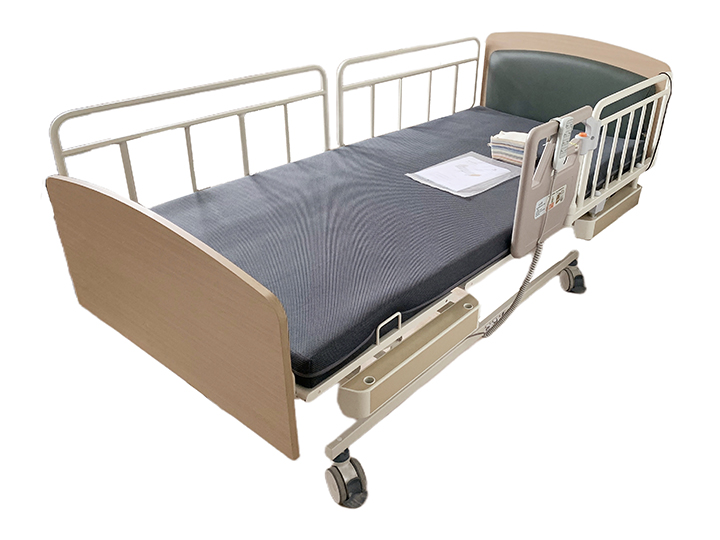
As a medical assistive device designed specifically for people with limited mobility, postoperative patients, and the elderly, nursing beds have become an important choice for modern families and medical institutions due to their functional diversity and adaptability. This article will systematically analyze how to scientifically select suitable requirements from the perspectives of classification, core functions, selection points, and usage precautions Nursing bed. Core classification of nursing beds 1. Electric nursing bed Through remote control or buttons, functions such as back lifting, leg adjustment, and overall height adjustment can be achieved. Some high-end models are equipped with modules such as automatic turning, weight monitoring, and urine wetness alarm. This type of product is suitable for families with long-term bed rest and limited nursing resources, and can effectively reduce the physical exertion of caregivers. 2. Manual nursing bed Using a mechanical joystick to achieve basic position adjustment is cost-effective but requires manual operation, suitable for short-term rehabilitation or nursing environments with sufficient manpower. Some models are equipped with expandable toilet racks, infusion rods, and other accessories to meet basi...
-
Hospital lift bed selection and usage scenarios
-
Process analysis and practical skills of ward nursing from admission to rehabilitation
-
Functional characteristics and selection of medical diagnosis and treatment examination bed
-
Rehabilitation bed: the key to improving the quality of care for long-term bedridden patients
-
Smart elderly care technology empowers and opens up a new era of elderly care services
-
Function analysis and selection precautions of electric smart bed
-
Guidelines for selecting rehabilitation equipment and analysis of common types
-
Function analysis and selection skills of companion bed
-
New intelligent and community-based development of home-based elderly care