News
News
Comparison and Maintenance Guidelines for Medical Bed Functions
As an important facility for medical nursing, the design of medical beds should take into account both patient comfort and nursing convenience. This article will comprehensively analyze the four dimensions of classification, functionality, selection, and maintenance The core points of medical beds.
Core classification of medical beds
According to the operation mode and usage scenario, medical beds can be divided into the following categories:
1. Classified by driving method
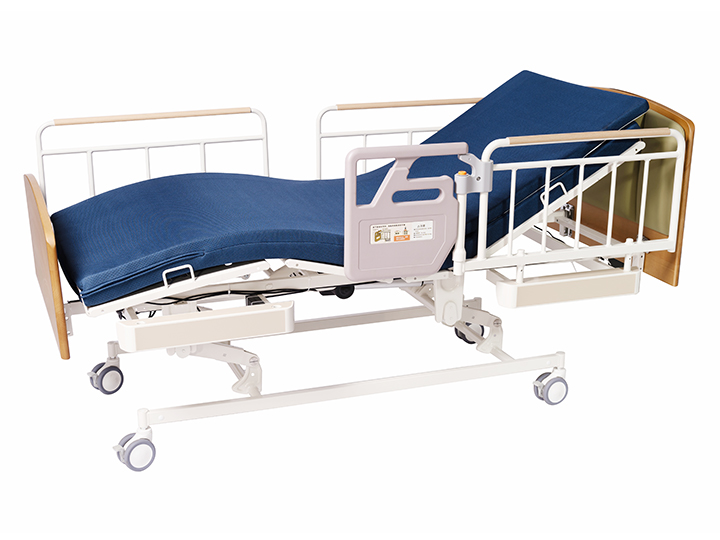
-Manual hospital bed: adjusted by mechanical structure, economical and practical. Common types include single shaker (with only the back panel adjustable), double shaker (with adjustable back panel and leg panel), and triple shaker (with increased overall height adjustment), suitable for scenarios with mild symptoms or limited budget.
-Semi electric hospital bed: Some functions (such as back panel lifting) are driven by electricity, balancing cost-effectiveness and ease of operation.
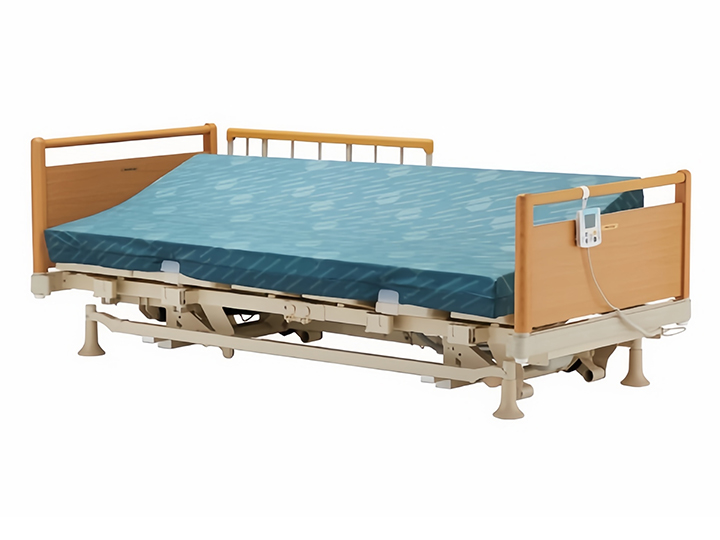
-Fully electric hospital bed: One click adjustment of bed height, backboard, and leg board, suitable for critically ill patients or scenarios that require frequent adjustment of body position.
2. Classify by functional scenario
-Anti pressure ulcer bed: equipped with air cushion or water cushion bed surface, reducing the risk of skin damage for long-term bedridden patients through pressure dispersion.
-Psychiatric restraint bed: designed with special guardrails and fixing devices to ensure the safety of agitated patients.
-Multi functional nursing bed: integrated with dining table, infusion stand and other accessories to meet the diverse needs of patients.
Core Function Analysis
The functions of medical beds directly affect nursing efficiency and patient experience, and the following configurations need to be focused on:
1. Adjustable: including the inclination angle of the backboard, the height of the leg board, and the overall bed height adjustment, which facilitates patient eating, rehabilitation training, or nursing operations.
2. Safety protection: The side rails can prevent patients from falling, and the locking wheels ensure the stability of the bed.
3. Comfortable design: Anti pressure ulcer mattress, breathable bed surface and other details enhance long-term bed comfort.
4. Expansion interface: Reserve electronic device control buttons or external medical instrument slots to adapt to modern medical scenarios.
Six key points for choosing medical beds
1. Clarify patient needs: Select corresponding functions based on the patient's condition (such as postoperative recovery, long-term bed rest, mental illness). For example, patients with leg diseases should prioritize the leg board adjustment function of the double shaker.
2. Matching space conditions: Measure the room size and door width to ensure unobstructed access to the hospital bed; The intensive care area needs to reserve operating space for electric beds.
3. Pay attention to materials and load-bearing capacity: The bed frame should be made of high-strength metal materials, with a load-bearing capacity higher than 1.5 times the patient's weight.
4. Budget and insurance coverage: The cost of manual hospital beds is about 2000-5000 yuan, while fully electric hospital beds can reach tens of thousands of yuan; Some medical insurance policies may cover specific types of hospital bed fees.
5. Compliance inspection: Confirm that the product meets the medical device classification standards and has a quality inspection certificate.
6. Evaluation of purchasing channels: Prioritize selecting medical device specialty stores or hospital cooperative suppliers to ensure after-sales warranty and accessory supply.
Daily maintenance and upkeep techniques
1. Cleaning and disinfection: Wipe the bed frame and guardrail with medical alcohol daily, replace and deeply disinfect the bed sheets and mattresses every week.
2. Mechanical component inspection: Test the operation status of manual joystick or electric motor every month and lubricate the joint parts in a timely manner.
3. Safety device testing: Regularly check the sensitivity of the side rail lock buckle and brake wheel to avoid accidents caused by aging parts.
Through scientific selection and standardized maintenance, medical beds can significantly improve nursing efficiency and create a safe and comfortable rehabilitation environment for patients.
Recommended News
-
Hospital lift bed selection and usage scenarios
-
Process analysis and practical skills of ward nursing from admission to rehabilitation
-
Functional characteristics and selection of medical diagnosis and treatment examination bed
-
Rehabilitation bed: the key to improving the quality of care for long-term bedridden patients
-
Smart elderly care technology empowers and opens up a new era of elderly care services
-
Function analysis and selection precautions of electric smart bed
-
Guidelines for selecting rehabilitation equipment and analysis of common types
-
Function analysis and selection skills of companion bed
-
New intelligent and community-based development of home-based elderly care
◇◇ Related Content ◇◇
- How Do I Verify The Hospital Bed Factory Before Ordering?
- How Do I Compete With Direct Manufacturer Sales As A Hospital Bed Distributor?
- How Do I Verify The Factory Is Real Before Ordering Hospital Beds?
- What Documents Are Required For Hospital Bed Government Tenders?
- Hospital Bed Government Tender For 200 Beds (Full Guide)
- How Much Does OEM Mold Setup Cost For Hospital Beds?
- Emergency Hospital Bed Order: What "30-Day Delivery" Really Means
- How Long Does OEM Hospital Bed Production Take?
- Hospital Bed Spare Parts Planning: What To Stock For A 50-Bed Fleet
◇◇ Related Products ◇◇