News
News
Full analysis of functional classification and usage scenarios of nursing beds
As a medical assistive device designed specifically for people with limited mobility, postoperative patients, and the elderly, nursing beds have become an important choice for modern families and medical institutions due to their functional diversity and adaptability. This article will systematically analyze how to scientifically select suitable requirements from the perspectives of classification, core functions, selection points, and usage precautions Nursing bed.
Core classification of nursing beds
1. Electric nursing bed
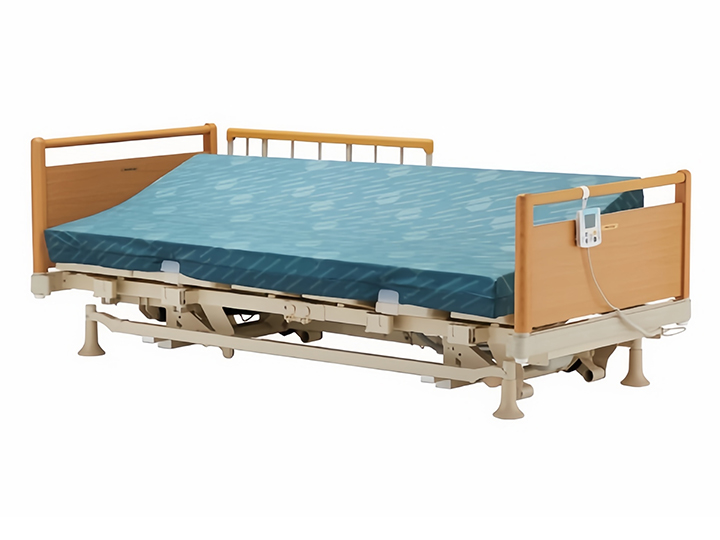
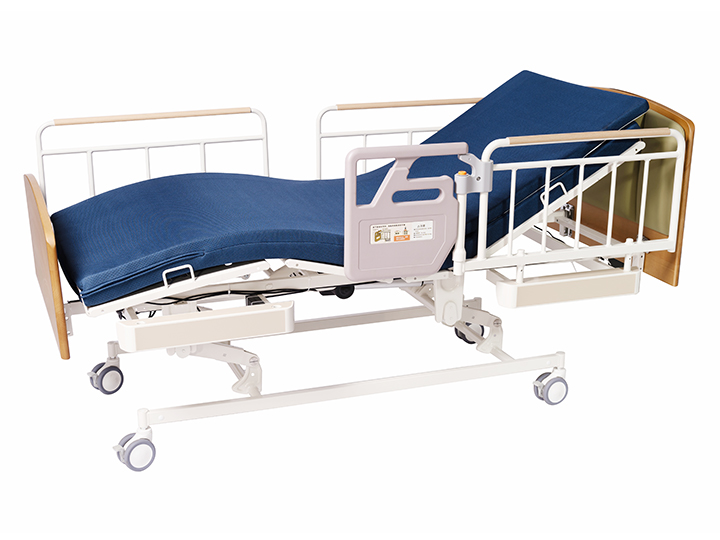
Through remote control or buttons, functions such as back lifting, leg adjustment, and overall height adjustment can be achieved. Some high-end models are equipped with modules such as automatic turning, weight monitoring, and urine wetness alarm. This type of product is suitable for families with long-term bed rest and limited nursing resources, and can effectively reduce the physical exertion of caregivers.
2. Manual nursing bed
Using a mechanical joystick to achieve basic position adjustment is cost-effective but requires manual operation, suitable for short-term rehabilitation or nursing environments with sufficient manpower. Some models are equipped with expandable toilet racks, infusion rods, and other accessories to meet basic nursing needs.
3. Intelligent nursing bed
Integrated IoT technology, supporting functions such as voice commands, physical sign monitoring, and remote alarms. For example, warning of pressure ulcer risks through pressure sensors, or linking with smart homes to regulate indoor environments, are suitable for users who have high requirements for safety and technological experience.
Key Function Analysis
Position adjustment system: Back 080° Lifting helps with eating and breathing, legs 030° Bending and stretching promote blood circulation, and the full bed lifting function matches the height of the wheelchair.
Safety protection design: Two side detachable guardrails prevent falling off the bed, silent casters balance mobility and stability, and emergency braking devices respond to unexpected situations.
Health monitoring module: Some models are equipped with functions such as weight recording, turning over reminder, heart rate detection, etc. The data can be synchronized to family members or medical staff through the APP.
Extended compatibility: Compatible with external devices such as anti pressure ulcer air cushions and rehabilitation brackets to meet personalized care needs.
Scientific selection strategy
1. Evaluate the usage scenario
It is recommended to choose a compact electric bed with a width of 90cm for home care, which is easy to move indoors; Medical institutions should prioritize durability and disinfection convenience, and prefer stainless steel frame structures.
2. Comparison of core parameters
Size: The standard model measures 200215cm in length and 90100cm in width, with at least 50cm of reserved space for nursing operations.
Load bearing capacity: Recommended for household use is 150kg, while medical use requires 200kg.
Motor performance: Dual motor drive can achieve back leg separation control, and the operating noise needs to be 40 decibels.
3. Material and Maintenance
The bed frame is preferably made of cold-rolled steel or aluminum alloy material, which is rust proof and has strong load-bearing capacity; The bed board should be made of breathable ABS resin or medical grade PVC. Regularly check joint lubrication to avoid mechanical component jamming.
4. Precautions for use
Daily inspection of safety components such as guardrail locks and motor circuits.
When using the automatic turning function, it is necessary to ensure that there are no obstacles around the bed.
Electric beds need to be equipped with a regulated power supply to prevent voltage fluctuations from damaging the control system.
Avoid liquid infiltration into the control panel during cleaning, and it is recommended to use a neutral disinfectant to wipe it.
With technological advancements, nursing beds are evolving from single care tools to intelligent terminals that integrate health management. Consumers should consider the patient's mobility, nursing cycle, and budget comprehensively, prioritize purchasing through legitimate medical equipment stores or brand direct sales channels, and require suppliers to provide installation training and after-sales maintenance commitments to ensure the effectiveness of the product.
Recommended News
-
Hospital lift bed selection and usage scenarios
-
Process analysis and practical skills of ward nursing from admission to rehabilitation
-
Functional characteristics and selection of medical diagnosis and treatment examination bed
-
Rehabilitation bed: the key to improving the quality of care for long-term bedridden patients
-
Smart elderly care technology empowers and opens up a new era of elderly care services
-
Function analysis and selection precautions of electric smart bed
-
Guidelines for selecting rehabilitation equipment and analysis of common types
-
Function analysis and selection skills of companion bed
-
New intelligent and community-based development of home-based elderly care
◇◇ Related Content ◇◇
- How Do I Verify The Hospital Bed Factory Before Ordering?
- How Do I Compete With Direct Manufacturer Sales As A Hospital Bed Distributor?
- How Do I Verify The Factory Is Real Before Ordering Hospital Beds?
- What Documents Are Required For Hospital Bed Government Tenders?
- Hospital Bed Government Tender For 200 Beds (Full Guide)
- How Much Does OEM Mold Setup Cost For Hospital Beds?
- Emergency Hospital Bed Order: What "30-Day Delivery" Really Means
- How Long Does OEM Hospital Bed Production Take?
- Hospital Bed Spare Parts Planning: What To Stock For A 50-Bed Fleet
◇◇ Related Products ◇◇