News
News
Functional analysis of medical beds: professional choices to meet different nursing needs
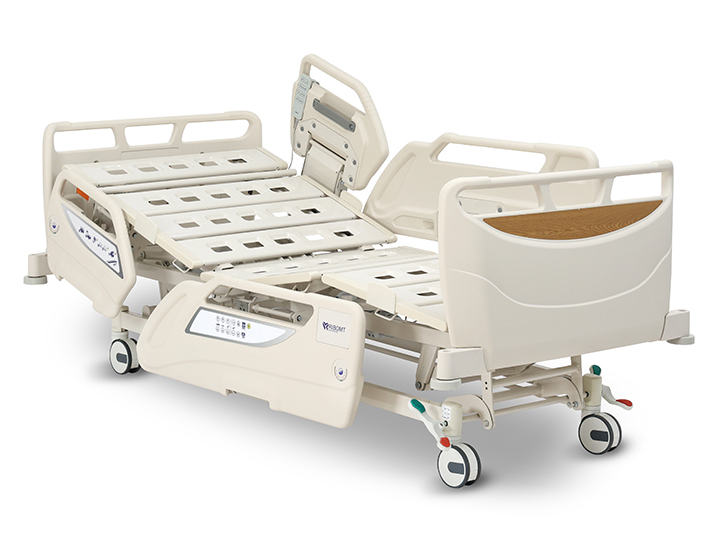
Medical beds, as medical equipment designed specifically for hospitalized patients, postoperative rehabilitation populations, and patients requiring long-term care, play an important role in improving nursing efficiency and patient comfort. Its core functions revolve around safety, adjustability, and convenience, and are suitable for various scenarios such as hospitals, nursing homes, rehabilitation centers, and home care.
The core functions and design features of medical beds
1. Multi level intelligent adjustment system
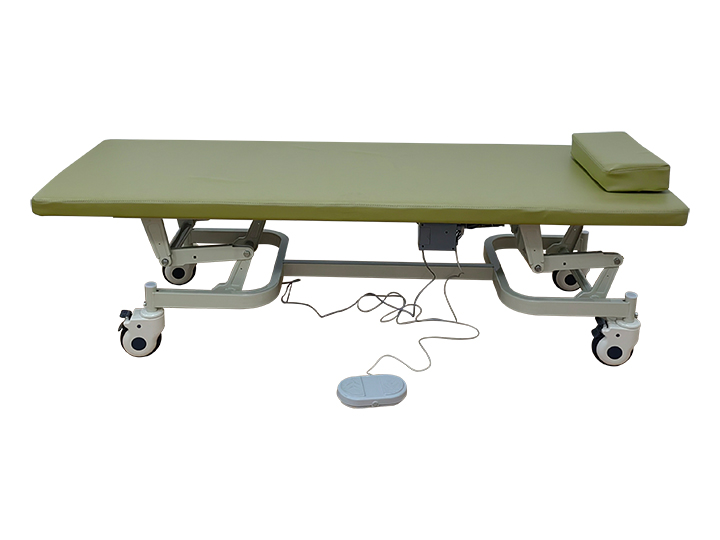
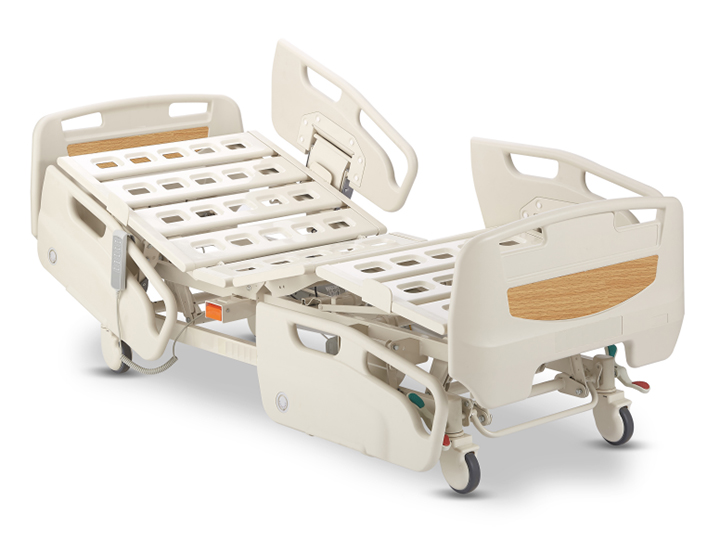
Medical beds are usually equipped with electric or manual adjustment devices, supporting multi-stage height adjustment of the head, tail, and surface of the bed. By controlling buttons or foot pedals, it is easy to achieve posture adjustments such as back lifting and leg flexion, helping patients complete actions such as eating, reading, and rehabilitation training. For example, adjusting the back angle can alleviate breathing difficulties, while lifting the legs can help promote blood circulation.
2. Safety protection and stable support
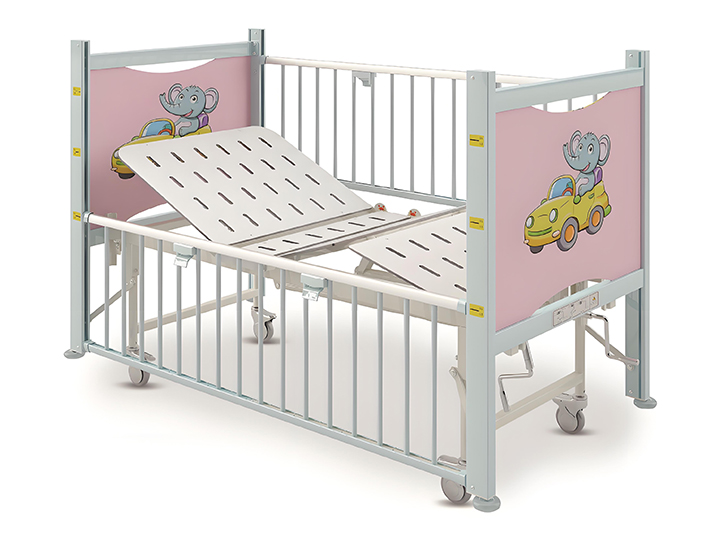
To ensure patient safety, medical beds commonly use foldable guardrail designs to prevent falls when turning over or moving. Some high-end models are equipped with emergency brake buttons and fixed seat belts, suitable for patients with blurred consciousness or restlessness. In addition, the bed body often adopts a four column support structure, equipped with anti slip casters and locking devices, ensuring flexibility and convenience when moving, and stability without shaking when stationary.
3. Humanized auxiliary configuration
Modern medical beds often integrate infusion racks, detachable dining tables, antibacterial mattresses, and other accessories to meet daily nursing needs. The design of the bedside breathing hole and the high elasticity mattress further enhance the comfort of patients. Some models also support intelligent remote control operation, reducing the physical exertion of nursing staff.
Applicable scenarios and populations of medical beds
1. Medical institutions
The medical beds used in hospital wards, emergency rooms, and operating rooms must comply with medical equipment standards, have the characteristics of rapid positioning adjustment, convenient disinfection, etc., to meet high-intensity nursing needs.
2. Home care
For home-based elderly care or chronic disease patients, the anti pressure ulcer cushion and convenient mobility function of medical beds are particularly important. Folding guardrails and height adjustment designs can adapt to home spaces, reducing the difficulty of care.
3. Rehabilitation therapy
Rehabilitation centers often use medical beds that support multi position training, such as segmented lumbar and back adjustment function, which can assist patients with lumbar and cervical spondylosis in targeted rehabilitation.
Key points for selecting medical beds
1. Clarify functional requirements
Choose between basic or high-end models based on the usage scenario. For example, home care can focus on silent design and ease of operation; Medical institutions should prioritize durability and disinfection compatibility.
2. Pay attention to security authentication
Priority should be given to products that have passed medical device certification to ensure that the materials are non-toxic and meet load-bearing standards. Key components such as motors and brackets must have anti fatigue test reports.
3. Adaptation space and budget
Measure the size of the installation area and compare the cost difference between manual adjustment and electric models. Manual beds are cost-effective, while electric beds are suitable for critically ill patients who need to frequently adjust their position.
4. Future Development Trends
With the popularization of intelligent healthcare Medical beds are developing towards the direction of the Internet of Things. For example, some new models have integrated vital sign monitoring modules, which can transmit real-time heart rate and body movement data to the nursing system; Voice control, automatic turning and other functions are gradually entering the market, further reducing the burden of manual nursing.
The design of medical beds always focuses on patient safety and nursing efficiency. When making a purchase, it is necessary to consider the usage scenario, functional configuration, and long-term maintenance costs comprehensively, in order to provide patients with a scientific and comfortable rehabilitation environment.
Recommended News
-
Hospital lift bed selection and usage scenarios
-
Process analysis and practical skills of ward nursing from admission to rehabilitation
-
Functional characteristics and selection of medical diagnosis and treatment examination bed
-
Rehabilitation bed: the key to improving the quality of care for long-term bedridden patients
-
Smart elderly care technology empowers and opens up a new era of elderly care services
-
Function analysis and selection precautions of electric smart bed
-
Guidelines for selecting rehabilitation equipment and analysis of common types
-
Function analysis and selection skills of companion bed
-
New intelligent and community-based development of home-based elderly care
◇◇ Related Content ◇◇
- How Do I Verify The Hospital Bed Factory Before Ordering?
- How Do I Compete With Direct Manufacturer Sales As A Hospital Bed Distributor?
- How Do I Verify The Factory Is Real Before Ordering Hospital Beds?
- What Documents Are Required For Hospital Bed Government Tenders?
- Hospital Bed Government Tender For 200 Beds (Full Guide)
- How Much Does OEM Mold Setup Cost For Hospital Beds?
- Emergency Hospital Bed Order: What "30-Day Delivery" Really Means
- How Long Does OEM Hospital Bed Production Take?
- Hospital Bed Spare Parts Planning: What To Stock For A 50-Bed Fleet