FAQ
Frequently Asked Questions
Core functions, classification, and selection of hospital emergency beds
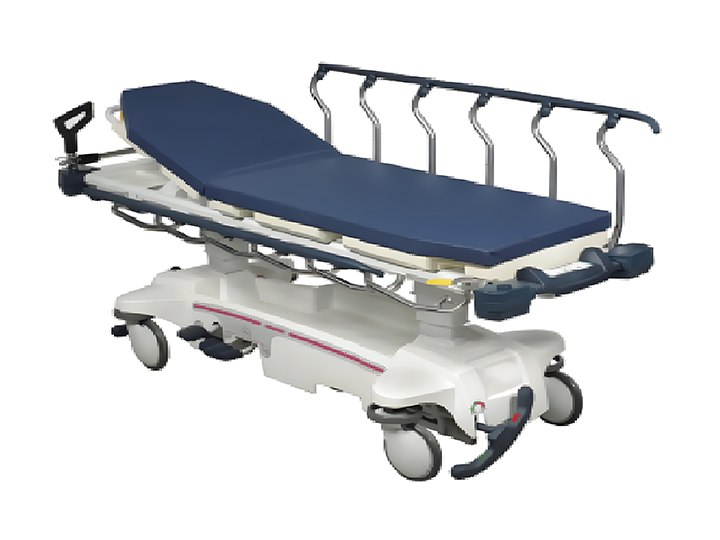
In emergency medical scenarios, The emergency bed is an indispensable equipment for treating critically ill patients. Its design needs to meet the requirements of rapid response, convenient operation, and multi scenario adaptation, which directly affects rescue efficiency and patient safety. This article will comprehensively analyze the core value of emergency beds from the perspectives of functional characteristics, classification selection, and purchase points.
1. The core functional characteristics of the emergency bed
1. Scientific structural design
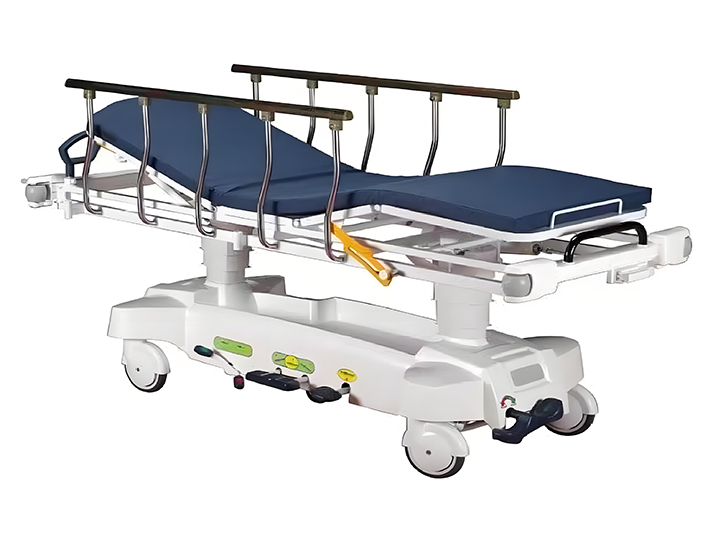
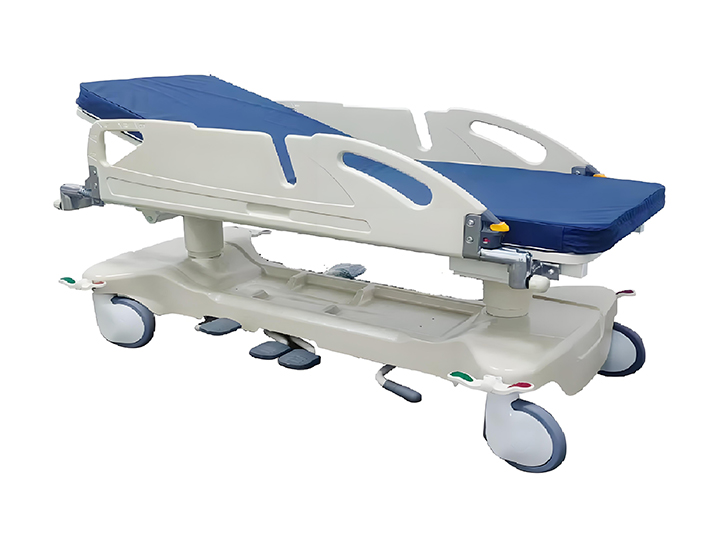
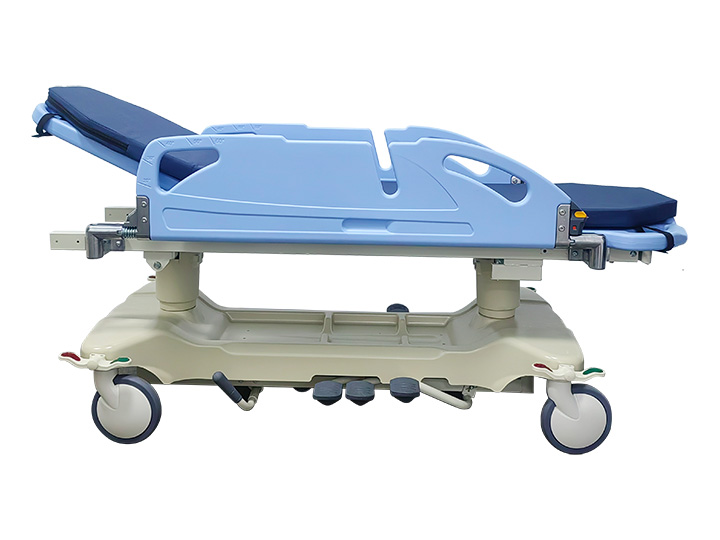
Rescue beds usually adopt modular design to meet the needs of first aid and surgery. The bed surface can be flexibly adjusted to facilitate the implementation of cardiopulmonary resuscitation, intubation and other operations. Some models support half or full flip function, providing convenience for position drainage and back care.
2. Efficient security protection
The bed is equipped with a moderately high guardrail, which can prevent patients from falling and also prevent medical staff from getting injured due to items slipping during operation. Install a stable brake at the bottom to ensure flexible steering when moving and no risk of tilting the bed when stationary.
3. Convenient cleaning management
The bed surface is often made of anti-seepage and corrosion-resistant materials, with seamless seams that support rapid disinfection and comply with hospital infection prevention and control standards. It is particularly suitable for high hygiene requirements such as emergency and ICU settings.
2. Common types and application scenarios of emergency beds
1. Basic rescue bed
The structure is simple and the price is economical, suitable for primary medical institutions or temporary emergency points, and can meet basic needs such as routine infusion and transportation.
2. Multi functional upgraded version
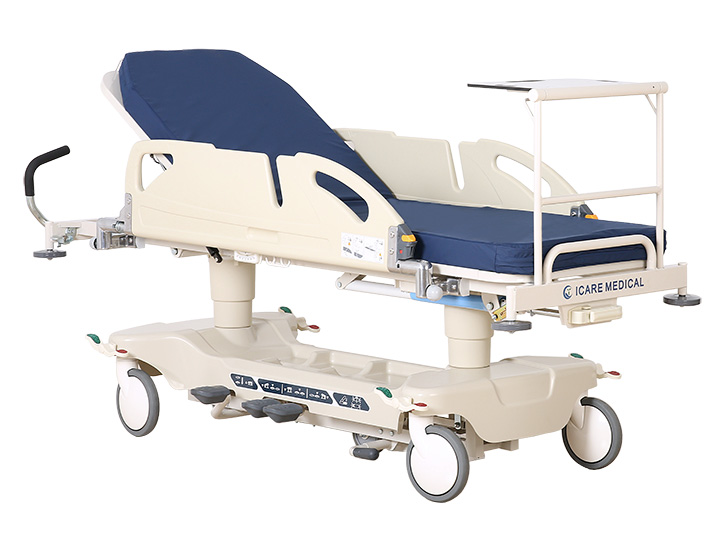
This type of bed integrates infusion racks, oxygen interfaces, waste storage trays and other accessories, suitable for complex rescue processes such as cardiopulmonary resuscitation and wound hemostasis, and is often used in emergency departments or operating rooms of tertiary hospitals.
3. Electric intelligent model
By using an electric control system to achieve functions such as one click lifting and backboard angle adjustment, the manual operation intensity is reduced, making it suitable for intensive care scenarios that require frequent adjustment of body position.
3. Key factors affecting prices
The pricing range of emergency beds is relatively large, mainly depending on functional configuration and material technology. The basic model adopts a steel frame and PU fabric, with a cost controlled within a thousand yuan; The high-end models use aviation aluminum or carbon fiber materials, equipped with electric adjustment and vital sign monitoring modules, and can cost tens of thousands of yuan. In addition, special functional designs such as radiation protection and anti-static can significantly increase costs.
4. Purchasing strategy and precautions
1. Clearly define the usage scenario
The emergency department needs to focus on rapid response capability, and it is recommended to choose lightweight and mobile beds with braking function; The operating room prioritizes electric models with adjustable height to meet different surgical requirements.
2. Balance functionality and budget
Avoid blindly pursuing redundant functions, for example, grassroots units can choose basic models with manual adjustment, while large hospitals can invest in electric models to improve rescue efficiency.
3. Emphasize safety certification
When making a purchase, it is necessary to verify whether the product meets the standards of the medical device industry, with a focus on confirming parameters such as material flame retardancy, load-bearing capacity, and electrical safety (such as electric models).
The reasonable configuration of emergency beds should be comprehensively considered based on the hospital's scale, department characteristics, and budget. By accurately matching functions and scenarios, not only can the emergency process be optimized, but valuable treatment time can also be obtained for patients, improving the quality of medical services and patient survival rates.
◇◇ Related Content ◇◇
- Complete Analysis Of Treatment Tables: A Guide To Key Equipment Selection From Veterinary Medicine To Operating Rooms
- What Is An Emergency Bed? Definition, Types, And How To Choose
- Comprehensive Analysis Of Emergency Stretchers: Functions, Usage, And Purchasing Guide
- Recommendations For Professional Health Consultation Platforms And Detailed Explanation Of Common Disease Symptoms
- Electric Vs Manual Hospital Bed: Which Type Is Right For Your Facility?
- Medical Furniture: A Key Element In Enhancing Healthcare Environment Quality
- Comprehensive Analysis Of Operating Tables: Key Functions, Type Selection, And Core Role In Operating Rooms
- Hospital Bed Buying Guide: How To Choose The Right Medical Bed In 2026
- Ultimate Guide To Accompanying Beds: Analysis Of Types, Selection Points, And Future Trends