FAQ
Frequently Asked Questions
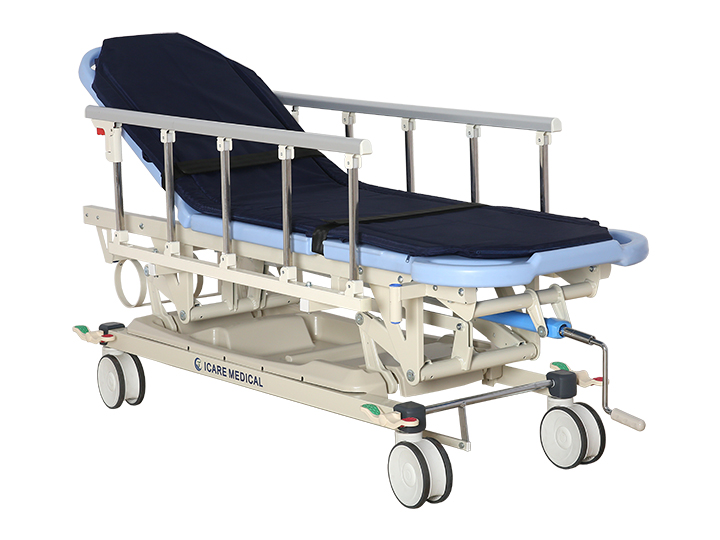
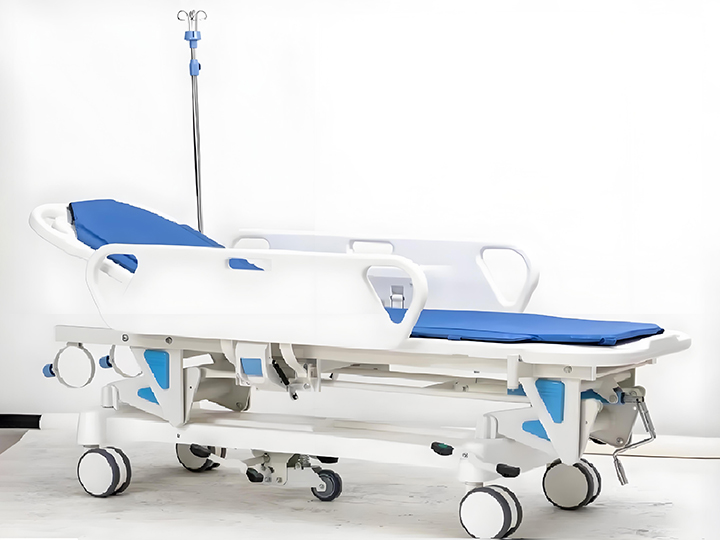
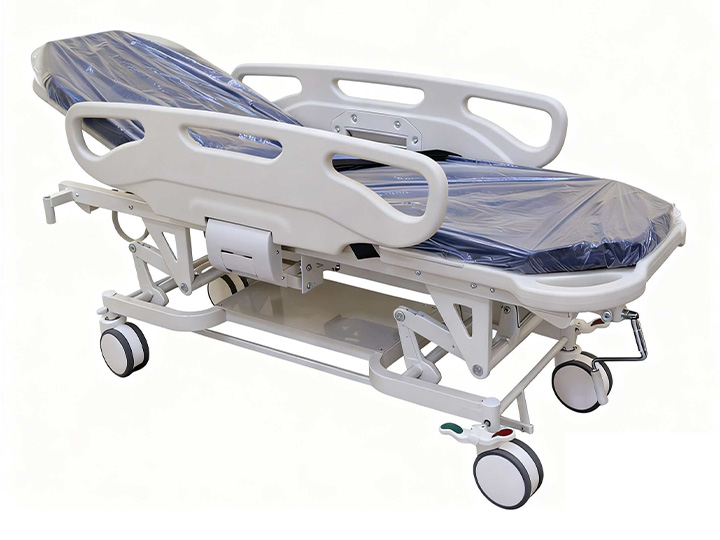
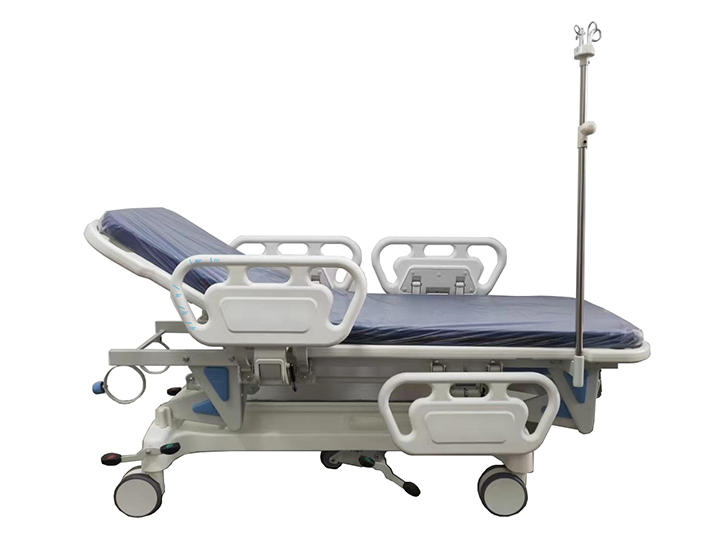
How to clean the emergency bed
The cleaning of emergency beds should take into account the safety and cleaning standards of medical equipment. The following are step-by-step cleaning methods and precautions:
1、 Preparation before cleaning
Power outage and protection
Ensure that the power supply of the emergency bed has been cut off to prevent electrical components from entering the water.
Wear protective equipment such as gloves and masks to prevent cross infection.
Remove detachable components
Remove the mattress, guardrail, infusion stand, urine bag hook and other accessories, and clean them separately.
2、 Surface cleaning
Daily cleaning
Tools: Neutral cleaner, soft cloth, disinfectant wipes.
Method:
Dip a soft cloth into the cleaning agent and wipe the surface of the bed frame, bed board, guardrail, etc.
Focus on cleaning areas with frequent contact (such as handrails, buttons).
Deep cleaning
Tools: Medical disinfectants (such as chlorine containing disinfectants), brushes, high-pressure water guns (if necessary).
Method:
For stubborn stains, use a brush dipped in disinfectant to gently brush.
The gaps in the bed can be rinsed with high-pressure water guns (ensuring that the equipment is waterproof).
3、 Component cleaning
Mattress
Material differentiation:
Sponge/Memory Cotton: Wipe with neutral detergent, air dry and spray disinfectant.
PVC/Leather: Wipe with specialized cleaning agent to avoid scratching.
Special treatment: If the mattress is contaminated with bodily fluids, it needs to be disinfected according to the medical waste disposal process before replacement.
Metal/Plastic Accessories
Metal: Wipe with rust proof cleaner to avoid rusting.
Plastic: Wipe with neutral detergent to prevent aging.
Electrical components
Do not soak: Use only a dry cloth to wipe off surface dust.
Interface protection: Seal the power and oxygen interfaces with dust plugs to prevent water ingress.
4、 Disinfection and drying
Disinfection method
Physical disinfection: UV irradiation for 30 minutes (unobstructed).
Chemical disinfection:
Surface: Wipe with 75% alcohol or chlorine containing disinfectant.
Mattress: After spraying disinfectant, cover with plastic film and seal for 30 minutes.
Drying treatment
Natural air drying: Air dry in a well ventilated area and avoid direct sunlight.
Drying: If the equipment is waterproof, low-temperature drying (60 ℃) can be used.
5、 Regular maintenance
Lubrication: Regularly apply medical lubricating oil to components such as swivel wheels and lifting rods.
Inspection: Check if the screws and seams are loose and tighten them in a timely manner.
Record: Establish cleaning and disinfection records, indicating the date and responsible person.
6、 Notes
Prohibited:
Use a sharp tool to scrape the surface.
Use strong acid and strong alkali cleaning agents.
Disassemble electrical components without authorization.
Special circumstances:
If the rescue bed comes into contact with a patient with an infectious disease, it should be disinfected according to the hospital infection standards.
Cracks or damages in the bed should be reported for repair immediately to prevent bacterial growth.
Summary: The cleaning of emergency beds should strictly follow the medical equipment cleaning standards, select appropriate methods based on material characteristics, and ensure equipment safety and patient health.
1、 Preparation before cleaning
Power outage and protection
Ensure that the power supply of the emergency bed has been cut off to prevent electrical components from entering the water.
Wear protective equipment such as gloves and masks to prevent cross infection.
Remove detachable components
Remove the mattress, guardrail, infusion stand, urine bag hook and other accessories, and clean them separately.
2、 Surface cleaning
Daily cleaning
Tools: Neutral cleaner, soft cloth, disinfectant wipes.
Method:
Dip a soft cloth into the cleaning agent and wipe the surface of the bed frame, bed board, guardrail, etc.
Focus on cleaning areas with frequent contact (such as handrails, buttons).
Deep cleaning
Tools: Medical disinfectants (such as chlorine containing disinfectants), brushes, high-pressure water guns (if necessary).
Method:
For stubborn stains, use a brush dipped in disinfectant to gently brush.
The gaps in the bed can be rinsed with high-pressure water guns (ensuring that the equipment is waterproof).
3、 Component cleaning
Mattress
Material differentiation:
Sponge/Memory Cotton: Wipe with neutral detergent, air dry and spray disinfectant.
PVC/Leather: Wipe with specialized cleaning agent to avoid scratching.
Special treatment: If the mattress is contaminated with bodily fluids, it needs to be disinfected according to the medical waste disposal process before replacement.
Metal/Plastic Accessories
Metal: Wipe with rust proof cleaner to avoid rusting.
Plastic: Wipe with neutral detergent to prevent aging.
Electrical components
Do not soak: Use only a dry cloth to wipe off surface dust.
Interface protection: Seal the power and oxygen interfaces with dust plugs to prevent water ingress.
4、 Disinfection and drying
Disinfection method
Physical disinfection: UV irradiation for 30 minutes (unobstructed).
Chemical disinfection:
Surface: Wipe with 75% alcohol or chlorine containing disinfectant.
Mattress: After spraying disinfectant, cover with plastic film and seal for 30 minutes.
Drying treatment
Natural air drying: Air dry in a well ventilated area and avoid direct sunlight.
Drying: If the equipment is waterproof, low-temperature drying (60 ℃) can be used.
5、 Regular maintenance
Lubrication: Regularly apply medical lubricating oil to components such as swivel wheels and lifting rods.
Inspection: Check if the screws and seams are loose and tighten them in a timely manner.
Record: Establish cleaning and disinfection records, indicating the date and responsible person.
6、 Notes
Prohibited:
Use a sharp tool to scrape the surface.
Use strong acid and strong alkali cleaning agents.
Disassemble electrical components without authorization.
Special circumstances:
If the rescue bed comes into contact with a patient with an infectious disease, it should be disinfected according to the hospital infection standards.
Cracks or damages in the bed should be reported for repair immediately to prevent bacterial growth.
Summary: The cleaning of emergency beds should strictly follow the medical equipment cleaning standards, select appropriate methods based on material characteristics, and ensure equipment safety and patient health.
◇◇ Related Content ◇◇
- Complete Analysis Of Treatment Tables: A Guide To Key Equipment Selection From Veterinary Medicine To Operating Rooms
- What Is An Emergency Bed? Definition, Types, And How To Choose
- Comprehensive Analysis Of Emergency Stretchers: Functions, Usage, And Purchasing Guide
- Recommendations For Professional Health Consultation Platforms And Detailed Explanation Of Common Disease Symptoms
- Electric Vs Manual Hospital Bed: Which Type Is Right For Your Facility?
- Medical Furniture: A Key Element In Enhancing Healthcare Environment Quality
- Comprehensive Analysis Of Operating Tables: Key Functions, Type Selection, And Core Role In Operating Rooms
- Hospital Bed Buying Guide: How To Choose The Right Medical Bed In 2026
- Ultimate Guide To Accompanying Beds: Analysis Of Types, Selection Points, And Future Trends